
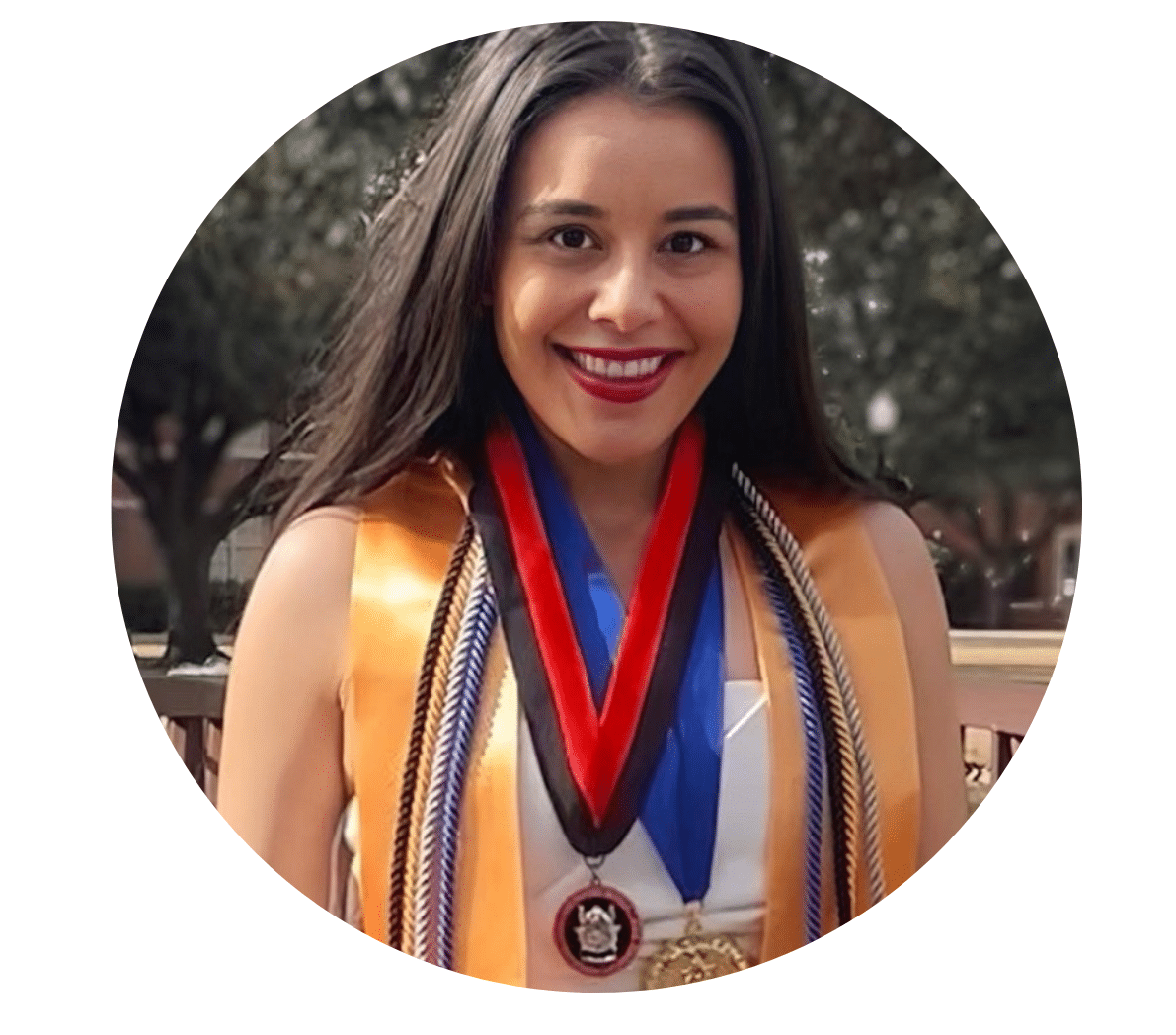
Meet Aaron!
Hi, I'm Aaron!
I originally grew up in South Florida and have built my career around Cybersecurity and Service.
I recently achieved my CISSP this year, which was a huge hallmark achievement.
I am also extremely active in the local Atlanta Cybersecurity scene and have dedicated most of my spare time to enabling others in their careers.
Tell us a surprising fact about yourself…
I was once very briefly a DJ, and have played 3 different instruments in the past, including being in 2 different marching bands.
If you could have any superpower, what would it be?
Give me the powers of Statics Shock, the ability to control electricity!
What are some things you enjoy doing outside of work?
I enjoy a variety of hobbies which include video games and car meets, as well as travel.
And of course, who doesn't love sleep?
Tell us about your role at Rhymetec…
I was hired in February and work as a Cloud Security Compliance Analyst; my responsibilities include driving compliance programs to maturity and preparing them for audits.
I also perform audits here and offer our clients insight into the Cybersecurity Industry based on my knowledge and experience.
Why did you pursue a career in the cybersecurity industry?
I always knew I wanted to be in Cybersecurity since I was 14 and moved out of state to pursue my career.
I have the natural aptitude and gifts for cybersecurity related principles and I feel confident every day because I am doing what I love, and just happen to be pretty good at it, so I've been told.
What is your favorite quote or the best advice you have ever received?

"There is no losing, either you win, or you learn, and try again".


From a security or compliance perspective, what advice would you give to a potential client or SaaS business?
Rhymetec clients receive benefits beyond just Compliance Attestation for Trust Certifications (Such as SOC 2 and ISO 27001).
Though this is important and drives value and revenue for every business, there are other benefits that should also be recognized.
Ultimately, there is a huge misconception that "Security" and "Compliance" are equivalent and this is simply not true; Rhymetec addresses this divergence with our blended offerings which simultaneously educate our clients on best practices and industry standards while providing easy to understand guidance to help promote security awareness.
Between all our staff we employ decades of expertise from a wide range of backgrounds within the cybersecurity industry that contributes to our unique insight and ability to protect our clients' businesses from cyber risk.
Connect with Aaron

Meet Nicole!
Hi, I’m Nicole! I was born and raised in Connecticut, with no plans to leave! I graduated from Central Connecticut State University with a BS in Marketing and took pride in being active in my university’s community. I founded our Women’s Club Soccer team and was part of the School of Business Student Advisory Council & Marketing Club.
After graduation, I found myself working in events and have since transitioned into the world of cybersecurity! In my spare time, I love cooking and trying new recipes, and I enjoy spending time with my family, friends, and all the four-legged loved ones in my life.
Tell us a surprising fact about yourself…
I helped my mom try out for Shark Tank! They had an open casting call in Washington, D.C., so we drove down there from CT. We had to create a video as part of the submissions, so I filmed and edited her video. Once we got to the open casting auditions, my role was mostly moral support and showcasing her products; she did all the pitching! Unfortunately, we did not meet any sharks, just staff who were part of vetting pitches.
If you could have any superpower, what would it be?
Without a doubt teleportation. I never did a ton of leisure travel in my lifetime, so would love to be able to go places across the world in seconds! Plus, who wants to sit in cars, planes, or traffic for hours on end? If I could teleport, I could be anywhere at any time!
What are some things you enjoy doing outside of work?
I love being home and taking time to relax. On a typical night in, you can find me (and my soon-to-be husband) cooking, with some of our favorite music running in the background, and a glass of wine in hand. Once all is said and done, we like hanging out on the couch and catching up on our latest shows with our dog and two cats. Other than that, we stay active by going for walks or to the gym!
Tell us about your role at Rhymetec…

I started at Rhymetec in March 2022 as the Marketing Manager. I was tasked with establishing a Marketing program as Rhymetec was starting to grow rapidly! I launched new branding and a new website as the foundation of our marketing efforts and aided our sales and customer success teams.
Today, my current role is the GTM (Go-To-Market) Director, where my primary goal is to establish strategic initiatives that will support Marketing, Sales, and Customer Success—continuing to increase revenue and market presence.

Why did you pursue a career in the cybersecurity industry?
A career in cybersecurity somewhat found me. I was working in events for almost 5 years, when a previous colleague reached out to me about the opportunity to work at Rhymetec. At the time I was hesitant as this was a completely new field for me, but with a brother-in-law who has worked in cybersecurity for some time, along with other individuals influencing me to take the risk, I decided to move forward! It’s been one of the most challenging and rewarding experiences to be a part of, and it makes me excited for the road ahead!
What is your favorite part about working at Rhymetec, or in the cybersecurity industry?
My favorite part about working at Rhymetec is the limitless potential we have as a team. We’re constantly finding new ways to enhance our services and better support our clients. It’s truly refreshing to be part of a company that prioritizes continuous improvement and innovation, rather than sticking to the status quo or relying on the mentality of 'we’ve always done it this way.' As a result, it’s incredibly humbling and rewarding to look back and see how much we’ve accomplished together.
What is your favorite quote or the best advice you have ever received?
My parents raised me to have a mentality of “if you don’t ask you don’t get.” This has always taught me to be my own advocate and to push for the things that I believe in. Because of this mentality, I heard this quote, and it stuck with me.
“You don’t get what you deserve in this life, you get what you fight for.”
The quote highlights the idea that success and achievement are not guaranteed by simply deserving them. Instead, it suggests that life often rewards those who actively pursue their goals, confront challenges, and persistently work for what they want.
It implies that effort, resilience, and the willingness to struggle are what ultimately lead to outcomes, rather than entitlement or expectation. This mindset encourages taking responsibility for one's own success by striving and fighting for it, rather than waiting passively for things to happen.
From a security or compliance perspective, what advice would you give to a potential client or SaaS business?
Security should always be proactive, not reactive. There are a lot of things organizations can do at a foundational level to protect their data and their business as a whole. Simply conducting regular risk assessments, hosting ongoing employee security training, and implementing MFA are proactive measures that can have big impacts!

Connect with Nicole Shorette
October isn't just a month of scary movies, sweater weather, and all things pumpkin spice - this month is dedicated to cybersecurity awareness and is a time for the public and private sectors to raise awareness about the importance of cybersecurity.
For the general public and organizations that do not specialize in cybersecurity, this month is a great opportunity to learn their role in protecting their digital assets, avoiding cyber threats, and staying safe online.
Here at Rhymetec, our cybersecurity experts are keenly aware of the risks clients face across many industries. Our experts act both in an advisory capacity and build and manage infosec programs for over 700 organizations.
This October, in honor of Cybersecurity Awareness Month, we've asked them for one piece of advice they would give to a potential client or SaaS business. Here's what they said:
Cybersecurity Awareness Month Tips From Our Experts
The following Cybersecurity Awareness Month tips are directly from Rhymetec's experts, based on their experience working with a variety of clients across different industries:
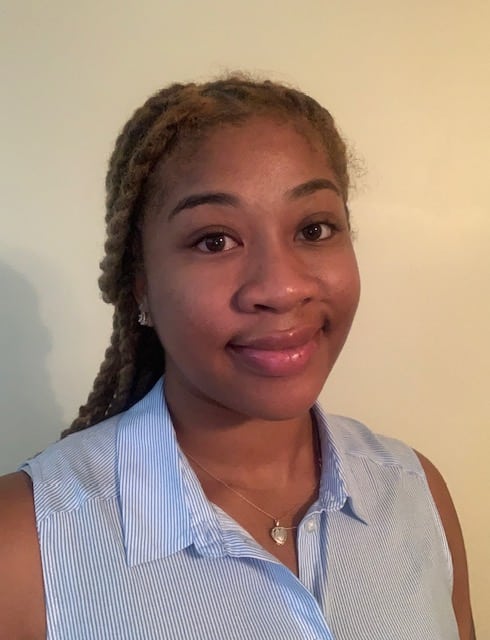
"The best advice I would give to a potential client is to start with your employees! Humans are the biggest security risk. When planning to become compliant in any framework or just wanting to mature your security posture, start with personnel. You are only as strong as your weakest team member. Recurring security awareness training should be mandatory for all employees. Educating and reminding employees of malicious tactics used by cyber attackers will decrease the likelihood of your organization being victim to a security incident. Awareness is key."
- Memori Hill
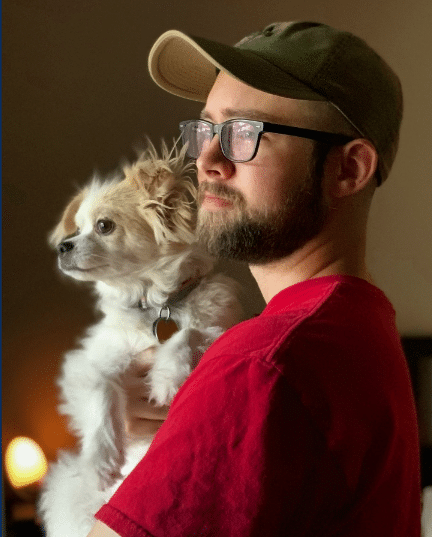
“You don’t have to go it alone! Security and Compliance are deep and ever-evolving wells of information. It can be difficult to dedicate effort and resources to building out an effective information security management system while also focusing on the day-to-day activities required to support and expand your business. We have an excellent team of Security experts eager and ready to help out.”
– Dakota Wright

“There are never too many controls in place to prevent a potential breach or a future incident. Depending on your geographical location as well as the type of data you handle, there are different types of compliances that may be required. Here at Rhymetec we offer a wide array of frameworks that we not only implement for you but manage as well, ranging from SOC 2 to FedRAMP. It’s not about if it will happen, but when it will happen.”
– Endri Domi

“Consistency is important. Staying on top of digital tools can help in staying efficient and avoid missing links and flaws. Use tools and software to help simplify compliance.”
– Leena Niazi

“Security for your cloud product should be between 7-15% of your overall monthly cloud budget to ensure you’re adequately protecting your assets. You wouldn’t buy an expensive car and then leave it unlocked with the keys inside in your driveway.”
– Aaron Butler

“Becoming compliant is more than just checking a few boxes on an excel sheet or pressing a button. True compliance requires security hardening measures that are customized to your business and tailored to your environment and customer base. A dedicated compliance team is the most successful way to pursue achieving a compliant status, as well as protecting yourself from internal and external threats.”
– Christian Mouer

“Never underestimate the bad guys.”
– Allan Cavazos

“Cyber security is not a DIY job. There are several domains within cyber security, and you need to have the skills and knowledge to understand these different domains. My one advice would be to hire professionals who understand governance/compliance and technical aspects of cyber security.”
– Metin Kortak
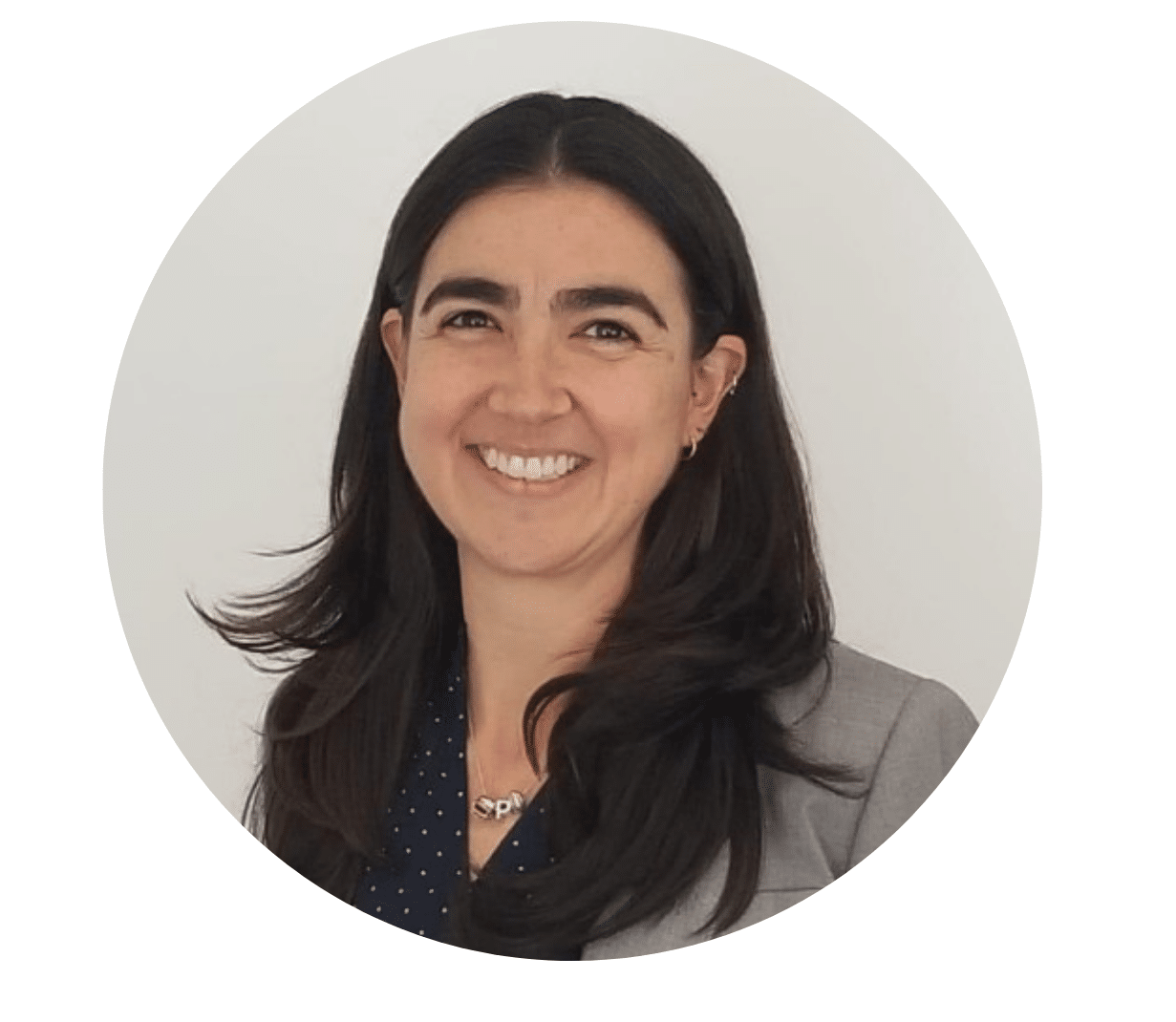
“Compliance may seem like an impossible feat, however, know it is possible, and Rhymetec can help you get there.”
– Pamela Tobón
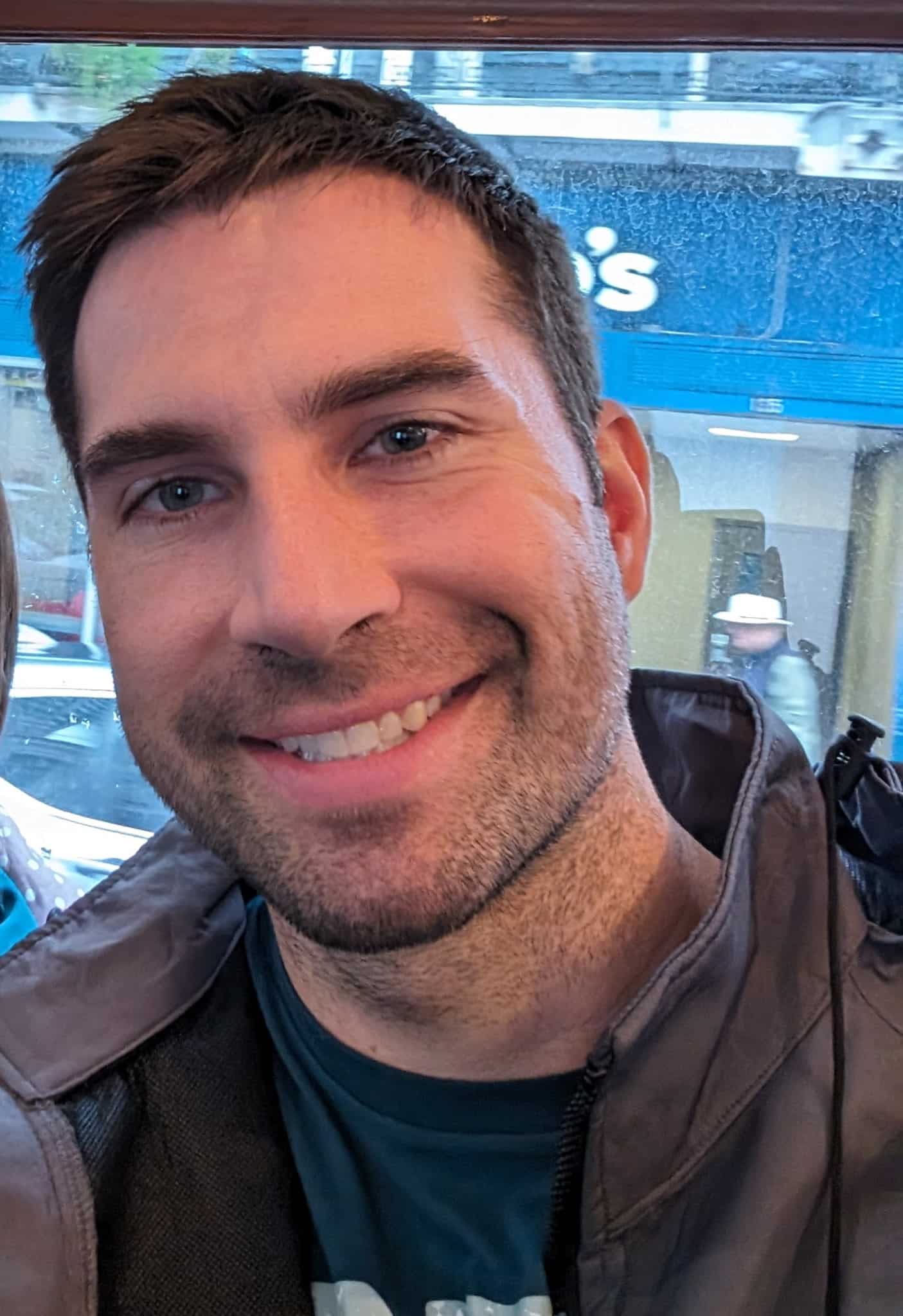
“Although becoming compliant will improve the overall security posture of your business, no organization is truly infallible. Developing repeatable processes and a workplace culture that prioritizes security education and training will help reduce risk and allow your organization to adapt to the ever-changing threat landscape that SaaS solutions face today.”
– Sam Brokaw

Cybersecurity Awareness Month Tips: Common Themes
A common theme that emerged from our experts' Cybersecurity Awareness Month tips was the importance of proactive security measures. The bottom line is that you can never be too prepared.
It's always better to have as many defensive measures in place as possible and avoid a security incident in the first place. Measures like security awareness training for employees to mitigate the human risk factor, putting your security hygiene to the test through regular penetration tests, and allocating sufficient resources to continuously improve your cybersecurity posture are crucial.
Another frequent answer we saw was that cybersecurity is not a DIY job! Hiring an external security team can substantially help organizations, especially in the early stages so that your security program can scale with your business growth. Virtual CISOs at organizations like Rhymetec have extensive experience balancing budgetary needs, usability, and security for start-up cybersecurity programs.
It's not an easy balance, but leveraging an experienced partner can deliver huge amounts of specialized talent without the need to spend millions of dollars on an in-house security team. Managed Security Services Providers like Rhymetec have dozens of professionals across security disciplines like cloud security, compliance, web application security, penetration testing, and others.
They have experience applying these skills to startups and SaaS businesses in a way that drives real security outcomes as you scale while also considering your budget.
About Rhymetec
Our mission is to make cutting-edge cybersecurity available to SaaS companies and startups. We’ve worked with hundreds of companies to provide practical security solutions tailored to their needs, enabling them to be secure and compliant while balancing security with budget. We enable our clients to outsource the complexity of security and focus on what really matters – their business. Contact us today to get started.
Interested in reading more? Check out more content on our blog:
- Cybersecurity For Startups: A Rhymetec Guide
- vCISO Pricing Breakdown: Find The Best Fit For Your Needs
- Cybersecurity for SMBs: 10 Key Measures and Statistics
Metin Kortak, CISO with Rhymetec, talks about how organizations are approaching data privacy and security compliance, and thinking about risk management policies, when it comes to generative AI in the workplace.
Below is a lightly edited transcript from the Decipher podcast conversation.
Decipher Podcast: Metin Kortak
Lindsey O'Donnell Welch: This is Lindsey O'Donnell Welch with Decipher and I'm here today with Metin Kortak, CISO with Rhymetec. Thank you so much for coming on today. It's really nice to speak to you.
Metin Kortak: Thank you very much for having me.
Lindsey O'Donnell Welch: Can you talk about your path into the cybersecurity industry and what drew you to the CISO role?
Metin Kortak: Yeah, absolutely. I have a computer science background, and when I first started working at Rhymetec, we were actually only offering penetration testing as a service to our customers, and then later on, we realized that with our customers, there's this demand for becoming compliant with various cybersecurity frameworks, which at that time wasn't my specialty - I was more of a network security person. But as we realized that this is a very big demand from our customers, we expanded our business more for compliance and providing cyber security solutions services.
Lindsey O'Donnell Welch: I know that you do a lot with compliance and privacy, and I wanted to talk a little bit about what you're seeing there, specifically with AI being such a big topic over the past year with generative AI and the general availability there. How does AI fit into companies' existing compliance and privacy frameworks, from your perspective?
Metin Kortak: Yeah I always say that because technology evolves so fast, laws, regulations, any sort of compliance frameworks, they always come after the technology has been created and actually built in a proper manner. We have been actually working with AI systems for the past couple of years but not until recently there has been some more compliance frameworks and regulations that became more solid. Recently we've been working with ISO 42001, which has been a recent cybersecurity framework that was really created to secure artificial intelligence systems.
But this framework hasn't even been in place up until just a couple of months ago, and even with the auditors that we're working with they're not even yet accredited to conduct audits against these frameworks. So it's all just very new and there are a lot of concerns from our customers because they want to make sure that they're doing the right thing, they want to make sure that they're complying with certain regulations. But at the same time, the regulations are not really available to them. So they don't have a lot of guidance from the government or from other cybersecurity framework providers. So it has definitely been difficult, and what we have been doing is following these guidelines, and sometimes we have to create our own guidelines for ensuring data privacy on data security.
Lindsey O'Donnell Welch: Outside of the Biden administration's executive order around AI and security, there haven't been really any official types of things that people or companies can point to and say, here's what we need to do about AI and privacy and security. I know in the EU they recently passed the AI Act that outlined some of the governance policies that companies need to follow. Is that something that is top of mind for companies?
Metin Kortak: Yeah, absolutely, we've been following the key frameworks, we have also been following the NIST AI frameworks that have been released but are not really being used by a lot of companies right now. But on top of that, as you know, GDPR, has been around for a long time.
And on top of that, in California, there has been CCPA for data privacy acts, and even if there wasn't an official artificial intelligence cybersecurity framework, what we have been doing to kind of like get around that is ensuring that our customers are still complying with frameworks like GDPR, CCPA, while they are producing artificial intelligence systems because even though there aren't specific AI guidelines, there are guidelines around data privacy and data security and we can interpret those guidelines and ensure that AI systems are still complying with those frameworks.
"It has definitely been difficult and what we have been doing is following these guidelines and sometimes we have to create our own guidelines for ensuring data privacy and data security."
Lindsey O'Donnell Welch: Yeah, so it seems like the main approach here is to look at the the existing frameworks and see if those policies can encompass what we're seeing with AI and lean on those existing ones?
Metin Kortak: Correct. For example, when we're working with artificial intelligence systems, there are language learning models - LLMs- language learning models capture personal information and other data, and based on that data, they will yield results. And they continue to learn from that data. And when we're talking about a data privacy framework like GDPR, end users do have the option for their data to be removed. So what we do is implement procedures in place so that their personal data can not only be removed from databases but also from language learning models, so that data cannot be used for teaching the artificial intelligence learning behavior.
Lindsey O'Donnell Welch: Do you see companies thinking about data governance at all, is that top of mind or people as it relates to AI, or are people mostly just diving in headfirst and saying, “Here's this really cool AI application that we can deploy," and then not really [thinking about] dealing with the consequences after?
Metin Kortak: Yeah I've been seeing a lot of companies just like jumping on the bandwagon. Whenever AI is out there, they're like, "We have to do something AI, we have to do something AI," and they're working with all of these third-party providers, they're trying to build their own artificial intelligence systems. But they're trying to do it in a fast way because it's no longer about data security governance and privacy, and it's more about competing in the marketplace.
Everybody wants to make sure that they have some type of AI product because now it makes them better than the competitor that doesn't. So I have been seeing very little attention to cybersecurity and data privacy when implementing these artificial intelligence systems because companies mostly care about how they can be better when it comes to their competitors. And because there weren't a lot of regulation/compliance frameworks, it was almost like a free for all - you can do whatever you want, you can create your AI system, you can opt your users in, you can capture their data without really having some solid consequences from a legal standpoint.
I think that's why a lot of those recent laws in the European Union and other countries have been making a bigger difference because companies actually now care more about data governance and privacy as it relates to artificial intelligence systems. But before that, what I have seen is that companies just try to utilize these AI systems as much as they can without having a lot of consequences.
Lindsey O'Donnell Welch: Yeah, that seems to be kind of the overall trend. When you're looking at the data governance policies themselves, what I'm seeing for one best practice for companies that are implementing AI systems is to map out all the different data sources that are being used in the AI model training. And there's so much there, right? It's crazy. But a lot of the types of models aren't really publicly available. So what's the best way to navigate something like that?
Metin Kortak: Yeah, a lot of these companies are now using open-source artificial intelligence systems, meaning the AI platforms are learning from publicly available data, publicly available images, text, Google searches. So there's definitely a difference between publicly available data versus privately owned data by end users. If data is publicly available, there aren't any regulations there that prevent companies from using publicly available information. I can go do a Google search, I can use information I see from articles and other links that I see, and utilize that information to teach my AI model to respond in a certain way.
Where it gets more tricky is when behavior is based on personal information, like if a lot of people like the color yellow, and they say that they like the color yellow on their Instagram stories, or they say it on their Facebook posts or whatever, that information can be personal data, and if AI models are making decisions based on private information like that, then that's when it becomes an issue from a data governance and some privacy standpoint, because now the AI model is not just learning from publicly available information. It is actually obtaining that data from individual user accounts and utilizing their personal information to make certain decisions.
"I think that's why a lot of those recent laws in the European Union and other countries have been making a bigger difference because companies actually now care more about data governance and privacy as it relates to artificial intelligence systems."
Lindsey O'Donnell Welch: I'm curious more from the defense side of things, how you're seeing AI transforming actual cyber security practices this year. How does that compare to what you've seen in the past as well?
Metin Kortak: Yeah, so like I said, when I started working at Rhymetec, we were just in penetration testing services, and penetration testing is pretty manual labor. You have to understand what vulnerabilities are in place and then, at times, exploit those vulnerabilities in order to identify any issues with the networks, any issues with servers and other platforms.
With artificial intelligence recently, we have been seeing that AI models have also been used in aiding penetration testing, or they have been actually conducting the penetration test on their own by identifying security vulnerabilities and eventually exploiting them. Now, this is great from a pen tester standpoint because now they have an easier way to conduct these penetration tests and understand these vulnerabilities. However, it can also be dangerous in the hands of the wrong people, because that means now people have a much faster way of identifying and exploiting security vulnerabilities.
So how I see this impacting the future of cybersecurity is that I think in the beginning, it might be definitely dangerous because people will be able to identify these security vulnerabilities a lot faster, but at the same time, I think that if this practice became more common then a lot of organizations can also implement much better security controls in place and the standard for cybersecurity can be a lot higher.
Lindsey O'Donnell Welch: I think you bring up a really interesting point - this has been kind of one of the biggest discussions around AI - which is who's this going to help more - the defenders or the threat actors? And when I was at RSA a couple of weeks ago, it seemed like the consensus was that right now the defenders and the ways that you know we're using this on the defense side seem to be more sophisticated right now than what they're seeing from threat actors which is kind of basic uses for content and phishing lures, things like that.
Metin Kortak: I think that if a sophisticated threat actor is actually attempting to breach a network, they're likely not using artificial intelligence. I think that they're likely using more manual and sophisticated ways to reach networks. But I think that on the defense side, absolutely, I think using artificial intelligence can be very beneficial. I think it can help us identify these vulnerabilities a lot faster, a lot quicker and then remediate them. But I think that if somebody is really looking to breach a network, they probably have a lot better options than relying on artificial intelligence models.
Lindsey O'Donnell Welch: How is AI being used in differing capacities in ways across different industry verticals, whether that's health care or banking, and as a follow-up question to that, given the compliance challenges that each of these industries deal with, how is that a factor in how AI is being used?
Metin Kortak: So in the cybersecurity field, I have been saying that artificial intelligence has been used more in things like intrusion detection platforms to identify anomalies and suspicious activity. We already have intrusion detection systems in place, but they usually identify the anomalies and other suspicious activity and other security-related issues using a certain algorithm.
With AI, because it is using learned behavior, it is able to identify these security incidents a lot better than simply just following an algorithm. So we have seen that with things like intrusion detection systems, and vulnerability monitoring platforms, there is definitely an added benefit to utilizing artificial intelligence systems. In addition to that, we have also been seeing artificial intelligence systems and platforms, for example, answering security questionnaire services or like answering RFPs for customers. With those really tedious processes that take a lot of time manually, I think that using artificial intelligence has actually helped us complete those types of work in a much faster way.
When it comes to other industries like healthcare and banking, artificial intelligence is never 100 percent. It may give you a very solid answer and then it might give you a really bad answer the next time. So when an industry is impacting someone's life, like when you're in the healthcare industry, we don't really see artificial intelligence being used that much because it is still unpredictable, and there are still answers that we can get that may not yield good results. I think that it can still be used to aid doctors and other systems that they're using for healthcare, but I do not see it really being used for systems that might directly impact a person's life.
"I think that if a sophisticated threat actor is actually attempting to breach a network, they're likely not using artificial intelligence."
Lindsey O'Donnell Welch: As a CISO, what do you see in terms of CISO interest in AI use cases and then also how it fits into security programs within companies?
Metin Kortak: Yeah, so recently, I've been seeing a lot of third-party vendors that we work with automatically enabling artificial intelligence learning models without really asking us. Especially if you're using a SaaS product, there is a likely chance that if you go to the settings stage, there is an option to disable artificial intelligence or keep it enabled, and you will see that also the time it has been enabled by default. So we have been really just seeing that option enabled by default, and it has been really making our jobs a lot more difficult because it's essentially a new product that's being enabled without really asking our consent, and that's creating issues with third-party security assessments.
So because of that, we have been actually reviewing some of our customers' products and other critical third-party vendors that they work with and either disabling the AI tools or conducting further assessments to ensure that enabling AI will not really cause any compliance or other governance-related security concerns.
So that has really caused some issues with third-party security assessments. However, we have also been using artificial intelligence for things like answering RFPs, answering security questionnaires, analyzing logs, and analyzing security reports to better gather information in a much faster way. So I do think that it has been very valuable to us. I think that it has made our jobs a lot easier, but at the same time, we have been doing a lot more strict due diligence because of how common AI has become recently in the platforms that we use on a day-to-day basis.
Lindsey O'Donnell Welch: I think that brings up a good point which is, a lot of companies I talked to are saying, "We want AI, but we want to make sure that it solves a business problem that we have. We don't just want it slapped onto a product." As a CISO, when you're looking at different things for AI, what sticks out to you where you say, "This could be something that is applicable and might be useful for an organization," versus, "Okay, that seems like it's more hype."
Metin Kortak: I really see AI as an efficiency improvement. I think that if something is taking a long time manually, it can be likely done faster using artificial intelligence, which is why we started using AI for analyzing security logs and also identifying certain security incidents, because doing manual log reviews or reviewing certain systems manually, it just takes up a lot of time. And I think at the end of it this saves organizations a lot of money and resources because they can actually allocate those resources for solving better problems.
Lindsey O'Donnell Welch: Are there any trends related to AI and cybersecurity that you think are going to be big or something to keep our eyes on over the next year?
Metin Kortak: I would definitely keep your eyes open for any other cybersecurity regulations that are coming up. I think ISO 42001 has been becoming a lot bigger. We have a lot of customers asking us about that framework. We have already started working on that framework with some of our customers.
But on top of that we are expecting some additional cybersecurity frameworks and regulations to be released soon. So I think those should be definitely important to watch out for. Because we're expecting that in the next couple of years, a lot of organizations are going to start requiring these frameworks if you're utilizing an AI system. If you have not implemented these security controls or if you haven't really followed the guidance from some of these cybersecurity frameworks, that means you might have a lot more work to do later down the line.
You can read the original article posted in Decipher Podcast, by Lindsey O'Donnell Welch and Metin Kortak.
About Rhymetec
Our mission is to make cutting-edge cybersecurity available to SaaS companies and startups. We've worked with hundreds of companies to provide practical security solutions tailored to their needs, enabling them to be secure and compliant while balancing security with budget. We enable our clients to outsource the complexity of security and focus on what really matters – their business. Contact us today to get started.
Interested in reading more? Check out more content on our blog:
- Generative AI Security Risks For Businesses: Practical Advice for the Concerned
- ISO 42001 Checklist
- AI Frameworks: What They Are & Why We Need Them
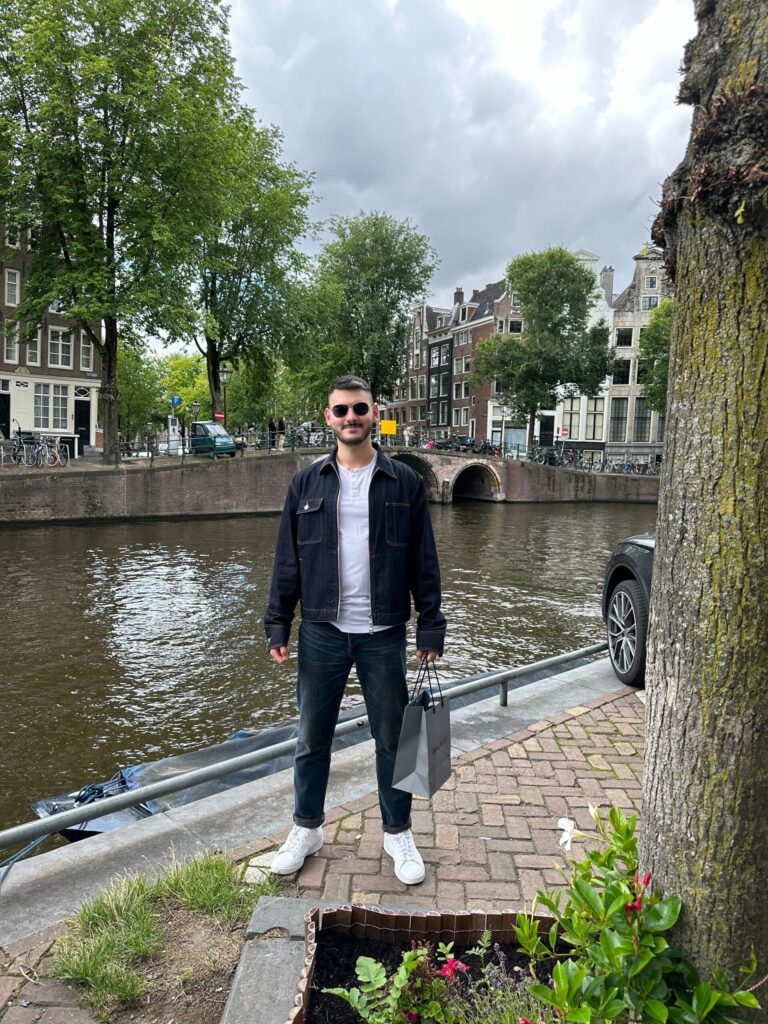
Meet Metin!
My name is Metin Kortak, and I'm originally from Turkey. I was sent off to a boarding school in the United States when I was 12, and I have been living in New York City ever since. I was part of a robotics club and then pursued computer science as my major, so I've always had a passion for the technology field, which later developed into a passion for cyber security. When I started at Rhymetec, only Justin and I were working for the company. To grow and scale the business, I converted what I was doing for our clients into a service offering, which now benefits hundreds of our clients with their compliance journeys.

Tell us a surprising fact about yourself…
I didn't cry when I was born, the doctors thought something was seriously wrong with me but turns out I just didn't want to.
If you could have any superpower, what would it be?
Telekinesis.
What are some things you enjoy doing outside of work?
I love cooking, specifically baking. I like to challenge myself with new recipes. I'm also a big foodie, I always look up the best restaurants and tasting menus to try when I travel. I have a very long list of restaurants to try.
Tell us about your role at Rhymetec…
I'm the Chief Information Security Officer at Rhymetec. My job involves building and improving our service offerings and managing our security team. I'm responsible for ensuring that our customers are satisfied with the level of service we offer while implementing above-industry standard cyber security best practices. I create the majority of our internal procedures, and I set the baseline for what we do. I love working for Rhymetec because I get to see the results of what we have built. It is very rewarding seeing organizations attain their cybersecurity goals with guidelines and procedures I have created. It is also important to give credit to my amazing team for executing our services.
Why did you pursue a career in the cybersecurity industry?
They say to do what you love but I say; do what you are good at. You may be bad at something you really love. I did have a passion for technology, and that's why I studied computer science. But I didn't consider pursuing a career in cybersecurity until an opportunity was brought up to me and I took it, and I thought I was good at it.
What is your favorite part about working at Rhymetec, or in the cybersecurity industry?
The cybersecurity industry is very stressful, I will be honest about that. There are constant incidents, audits, paperwork, and regulations you have to deal with, so it's a very stressful industry. My favorite thing about cybersecurity is making it less stressful and complicated for our customers so they can focus on what really matters.
What is the best advice you have ever received?
This isn't really advice I received, but I absolutely believe in Karma. I think it's important to give out positive energy in order to receive it. I have a pretty positive outlook on life, and if I'm having a bad day, there is always a new day tomorrow.
From a security or compliance perspective, what advice would you give to a potential client or SaaS business?
Cyber security is not a DIY job. There are several domains within cyber security, and you need to have the skills and knowledge to understand these different domains.
My one advice would be to hire professionals who understand governance/compliance and technical aspects of cyber security.
Rhymetec is a fast-growing company. Can you talk about what it's been like to watch Rhymetec grow and transform over time?
It has been quite challenging, and growth only makes it more challenging. Scaling is crucial to the growth of our business and this is why we have made significant changes in our team structure to ensure as we grow, our customers retain the same level of service, if not better.
What trait do you think has been the most instrumental to your success?
I do not emotionally react to everything right away, I like to think about my feelings/thoughts and then make a decision. Sometimes this takes several hours to days, but it's the only way to avoid making the wrong decision. I think this has helped me not just in my personal life but also in my professional life by thinking through everything and making more articulated decisions.
What's one piece of advice would you give to someone aspiring to enter the field of cybersecurity?
Cybersecurity majors in schools used to be not so common, and because of that, there is a significant lack of education on cybersecurity. If you are planning on pursuing a career in cybersecurity, it's important to take cybersecurity courses, boot camps, and certifications to prove that you have the necessary skills and knowledge.
What's something about cybersecurity that you think would surprise most people in the general public?
We share our personal information with millions of software applications. This is already a fact. What most people don't realize is how data-sharing practices with sub-processors work: Sub-processors are third-party vendors that businesses use to provide services to their end users. Almost all businesses use sub-processors.
When you share personal information with a company, you are also agreeing to share that information with the sub-processors that the business utilizes. For instance, when you share information with a company like Facebook, you are also agreeing to share that information with sub-processors Facebook uses, such as Amazon Web Services (AWS) for cloud storage. Sub-processors can also have their own sub-processors, so this network continues to expand. Simply put, by sharing your information with a single entity, you may be sharing it with hundreds or thousands of entities.
If you could invite anyone from history or fiction to a private breakfast or lunch, who would they be and why?
I would love to have lunch with Samantha Jones and gossip.
You've been in the cybersecurity industry for a while, and it's a quickly evolving field - What are the most notable changes you've seen?
Organizations are using automated monitoring systems more than ever. There are more applications for security and compliance monitoring than there have ever been and this is allowing organizations to identify security issues and threats more easily.
What would you say is the most common error you've seen companies make in terms of data security and cybersecurity?
Redundancy and business continuity. Most organizations, even enterprise-level companies, do not have proper business continuity measures in place. They are all one outage away from a complete shutdown.

Lastly, in your opinion, what makes Rhymetec stand out as a company?
Cybersecurity operations have several different domains from governance and compliance to application and network security. Take it from me, it is very difficult to find cyber security professionals who have knowledge of all domains. And even when you do find cyber security professionals, your organization's needs change every year.
You need to find someone who understands cyber security frameworks and regulations while maintaining knowledge of underlying technologies that build up your products. It's hard for one person to have all of this knowledge, so you need to hire a team of professionals who have expertise in different areas of cybersecurity.
This can be costly and time-consuming. Rhymetec gathers cyber security professionals who all have extensive knowledge of different domains of cyber security and provides all-in-one services to companies to help them with their cyber security needs. We not only offer help but take the lead on cybersecurity projects by integrating ourselves with our clients and building a team of cybersecurity professionals for them. What makes us stand out is our unique capability to handle diverse cybersecurity problems.
Connect with Metin Kortak
Meet Nadine!
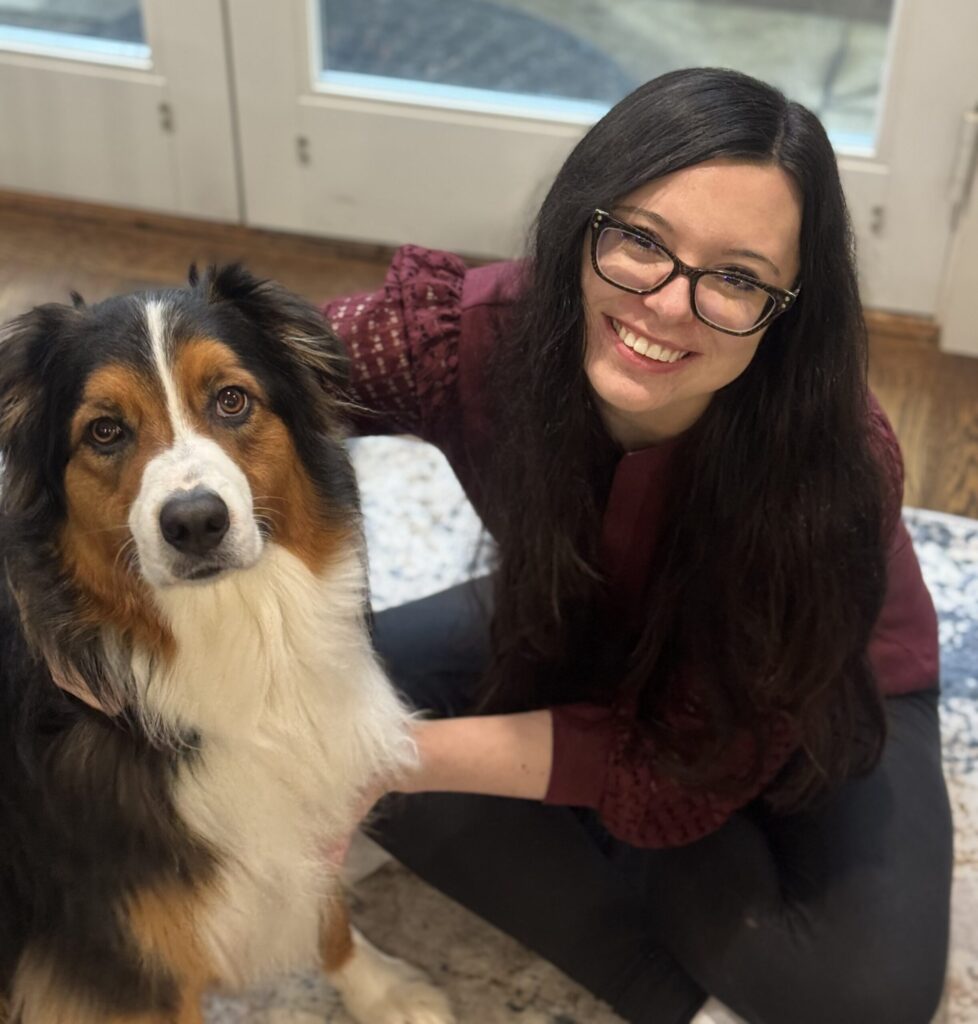
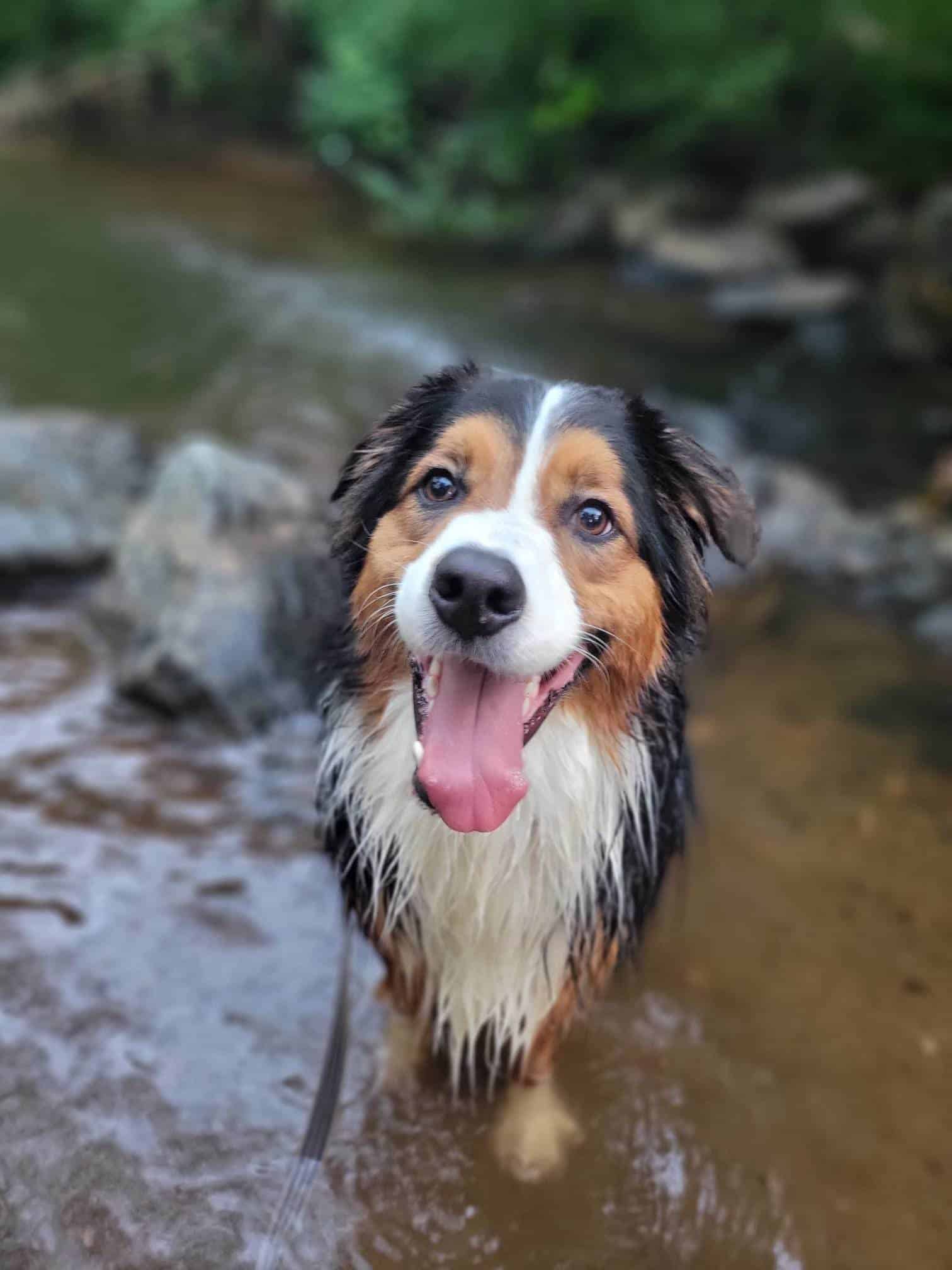
Hi, I'm Nadine Rozell! I grew up in Fairfax, Virginia. I majored in psychology and foreign languages at George Mason University before moving to Charlottesville, Virginia, for grad school. I met my husband here, and we live in the scenic little town of Crozet in the foothills of the Blue Ridge Mountains, not far out from Charlottesville. The Shenandoah National Park is a short drive away. I love exploring the hiking trails here and spending time with our dog, an Australian Shepherd named Boo.
Tell us a surprising fact about yourself…
I speak Italian, and I'm quite passionate about language learning! I started learning Italian as a hobby during the COVID lockdowns. I ended up really falling in love with the language and the self-driven learning process. Learning a language is a joy; it lends a sense of discovery to your life. The more you learn, the less you feel like you know. It's a journey without a finish line, which makes it endlessly enthralling.
If you could have any superpower, what would it be?
I would want the ability to stop time. I'd love to have as much time as possible in life to pursue my interests, catch up on TV shows, and read all the books I keep buying without having finished the ones I already have…
What are some things you enjoy doing outside of work?
I enjoy hiking, reading, baking, traveling, hanging out with my dog, and spending time with friends and family.
Tell us about your role at Rhymetec…
I've been at Rhymetec for 6 months, and my main focus is content marketing. At a high level, I see my job as humanizing our brand and creating good experiences for anyone engaging with our website or socials. I like to think of a company's website as its red carpet; it's often one of the very first impressions someone will have of your brand. You want people to have a memorable first impression and feel welcome. You want them to be engaged and come away feeling like their time spent on your site was respected and well-spent. There's a proliferation of inauthentic and filler content for marketing and SEO purposes online nowadays, and people see through that. When creating content, it's important to think about the experience of the audience and empathize with their interests and pain points.
I enjoy the challenge of doing this in a field as fast-moving as cybersecurity. I'm always striving to improve my knowledge of the industry in order to craft better content, and Rhymetec as a company supports that goal and encourages a culture of continuous learning. What I love about working here is the dynamic environment of a company that is constantly innovating, with leadership and management that encourage growth and collaboration.

Why did you pursue a career in the cybersecurity industry?
I didn't set out to pursue cybersecurity marketing as a career, but I'm happy to have found this field! I've been in cybersecurity marketing for 4 years, and from the beginning, I found that my prior experience in research and writing lent well to this career path. Plus, I'm thrilled to work at a company with a meaningful mission that makes it easy to feel like your work has a positive impact. Organizations like Rhymetec help improve the privacy and security of organizations and individuals. This is an extremely important task. On the marketing side, bringing attention to these issues is both embedded in and a natural byproduct of the work through initiatives like PR, webinars, and all aspects of content marketing.
What is your favorite part about working at Rhymetec, or in the cybersecurity industry?
What fascinates me about cybersecurity is that the field represents an intersection of technology and human psychology. When you think about things like security awareness training, the need to tailor how security policies are communicated to different audiences, using behavioral analytics to detect anomalies, how social engineering attacks manipulate behavior, the "human risk factor" that no technology can fully mitigate, and how people make decisions under stress - you can see how psychology underpins many facets of cybersecurity.
I studied psychology in college and grad school, and seeing the areas in which these two seemingly divergent fields overlap is fascinating. Cybersecurity is one of the fields that blurs the lines between technology and 'softer' sciences in ways that are often unexpected, and I find that exciting.
What is the best advice you have ever received?
My dad once told me, "The grass isn't greener on the other side; it's greener where you water it." Don't spend your life daydreaming about the 'what ifs' and 'what could be.' Funnel your energy into cultivating the good things that are right in front of you.
From a security or compliance perspective, what advice would you give to a potential client or SaaS business?
Choose your experts wisely, and then defer to them. Cybersecurity is a complex field whose trajectory is in constant flux based on emerging threats, current events, and new technologies. It's therefore critical to partner with experts who are not only experienced and technically skilled, but also work hard to stay apprised of changes in the industry. Seek out experts who are genuinely passionate about working in this fast-paced industry and are continuously upskilling as the field changes.
Our subject matter experts at Rhymetec embody these characteristics and are constantly working to adapt our services to reflect shifts in the industry. For example, we are one of the first companies to offer readiness services for ISO 42001, a new framework that addresses the risks posed by AI.
Connect with Nadine Rozell
Meet Allan!
Hi, I'm Allan Cavazos! I'm from Conyers, GA and have been with Rhymetec for 5 months. Outside work, I love traveling and especially enjoy German and Japanese cuisine.
Tell us a surprising fact about yourself…
I love to travel, cook, study languages, gem and gold mining.

If you could have any superpower, what would it be?
Read minds, always know what people mean when they say something.
What are some things you enjoy doing outside of work?
Talking with Family and Friends, Cultural festivals, Reading.
Tell us about your role at Rhymetec…
Work as an Analyst 50% and Executive 50%.
Why did you pursue a career in the cybersecurity industry?
I was a Network Engineer Level 2, and my job was being made redundant. I had an Information Security opportunity, so I took it.
What is your favorite part about working at Rhymetec, or in the cybersecurity industry?
I like the Cyber world. It came easy to me. I mostly work in the Federal sectors as I enjoy the thoroughness and complexity.
What is the best advice you have ever received?
One of my mentors at CDC said, “The only consistency is change.” Another said, “Built by man, defeated by man."
From a security or compliance perspective, what advice would you give to a potential client or SaaS business?
Never underestimate the bad guys.
Connect with Allan
Meet Jessica!
Hi there, I'm Jessica! I grew up as an army brat. I mastered the art of adaptability navigating our frequent moves. From a young age, I had a love of sunny vibes and flip-flops. I headed to Las Vegas to attend UNLV to study Hotel Management and finance. After 13 exciting years in the vibrant 24-hour city of Las Vegas, we decided it was time for a new adventure. We have ultimately landed in beautiful Scottsdale, Arizona.
Tell us a surprising fact about yourself…
I lived in Holland for 3 years. That experience gave me a deep appreciation of European history and an ever growing collection of German nutcrackers.

If you could have any superpower, what would it be?
I would choose the ability to time travel. Being able to witness events and see family at different ages first hand would be fascinating.
What are some things you enjoy doing outside of work?
Outside of work, I love spending time with family and friends and our two dogs. I enjoy cooking, outdoor barbecues and spending time poolside when possible.

Tell us about your role at Rhymetec…

I have been at Rhymetec for 5 years. I have dealt with all things finance from AP/AR to payroll. I have thoroughly enjoyed being a part of the growth story.
Why did you pursue a career in the cybersecurity industry?
Embracing the challenge of completely new horizons, I began my journey with Rhymetec. I initially approached cybersecurity as unchartered territory, but soon discovered its critical importance to safeguarding the integrity of all financial systems.
What is your favorite part about working at Rhymetec, or in the cybersecurity industry?
I absolutely love the team culture at Rhymetec. The ability to forward think and have input in our systems and operations as we grow, has made it a fun and fulfilling environment. I couldn’t be prouder to be a part of the Rhymetec team.
What is your favorite quote or the best advice you have ever received?
The best advice I received is “Embrace change with an open heart and curious mind”. This has allowed me to adapt and grow personally and professionally.
From a security or compliance perspective, what advice would you give to a potential client or SaaS business?
Cybersecurity can seem like a daunting task. Allow our seasoned team to help you identify your needs and understand the continuous process to maintain a robust defense against potential threats.

Connect with Jessica
Meet Memori!
Hello, I'm Memori Hill. I was born and raised in Washington, D.C. I have experienced various different teaching styles throughout my childhood. For example, I've attended private school most of my life, but I graduated from a public technology school. I've been to boarding school, online school, and home-schooled. I've also attended summer school in Jamaica.
Tell us a surprising fact about yourself…
My mom lost her short-term memory while she was pregnant with me, which is why she named me “Memori”.
If you could have any superpower, what would it be?
If I had a superpower, it would be teleportation, so I could get to places quickly.
What are some things you enjoy doing outside of work?
I enjoy playing basketball.
Tell us about your role at Rhymetec…
I’ve been working at Rhymetec for three months. My daily responsibilities include providing support to various clients with the common goal of gaining security compliance and/or maintaining security compliance. I enjoy being a part of the Rhymetec team because everyone is supportive, helpful, and we all want to do a great job.
Why did you pursue a career in the cybersecurity industry?
As I’ve mentioned before, I graduated from a technology high school. I’ve been interested in computers since middle school. I went to Geek Squad camps during most summers. However, it wasn’t until I took my first Honors Computer Science course that I realized I didn’t want to become a programmer. Troubleshooting is a pain and quickly realized that then. After I finished that class, I took a cybersecurity class my junior year in highschool and I loved it. That’s when I decided I would study cybersecurity in college.
What is your favorite part about working at Rhymetec, or in the cybersecurity industry?
My favorite part about working at Rhymetec is the team and also the opportunities to learn new things and grow.
What is your favorite quote or the best advice you have ever received?
The best advice I’ve ever received was from one of my highschool coaches. He told me that I have to practice hard because if I practice giving 100%, I will perform at 100% in games. I still keep this in mind, while doing everything. Basically, the amount of effort I put in now will pay off when it’s really game time.
From a security or compliance perspective, what advice would you give to a potential client or SaaS business?
The best advice I would give to a potential client is to start with your employees! Humans are the biggest security risk. When planning to become compliant in any framework or just wanting to mature your security posture, start with personnel. You are only as strong as your weakest team member. Recurring security awareness training should be mandatory for all employees. Educating and reminding employees of malicious tactics used by cyber attackers will decrease the likelihood of your organization being victim to a security incident. Awareness is key.
Connect with Memori
Meet Anthony!
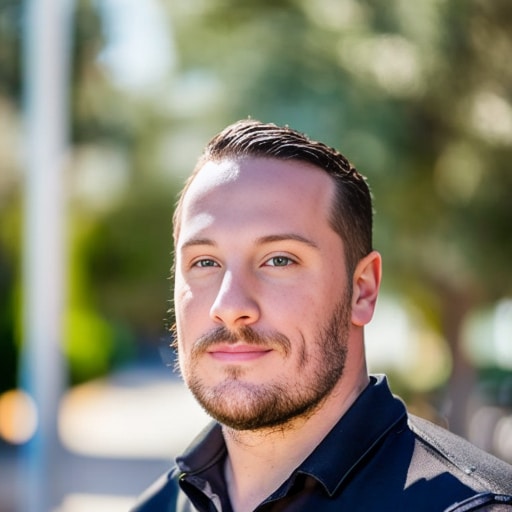
I grew up in the mountains of Georgia and spent most of my days exploring the woods or working on cars. After high school I started working in the IT industry doing support for SaaS companies and quickly found a love for working in technology. I later went on to obtain my bachelors in Cyber Security and began working with NIST compliance in higher education.
Tell us a surprising fact about yourself…
I love cars and enjoy building them as a hobby. I have built two cars that were featured in SEMA which is one of the biggest car shows in the world.
If you could have any superpower, what would it be?
If I could have a super power it would be super speed because I would love to be able to do more things and go more places in a day.
What are some things you enjoy doing outside of work?
My favorite things to do outside of work are going to the beach with my family and attending car shows.
Tell us about your role at Rhymetec…
I have been at Rhymetec for 7 months and I love getting to work with new clients and helping them navigate their compliance journey.
Why did you pursue a career in the cybersecurity industry?
I pursued a career in cyber security because I have always wanted to do something that helped people. With my love of technology and solving puzzles, Cybersecurity is a great place for me to help people avoid disasters and grow their business.

What is your favorite part about working at Rhymetec, or in the cybersecurity industry?
My favorite part of working at Rhymetec is working for a company that is focused on helping me grow as a person and in my cybersecurity career. Rhymetec works hard to provide new training and expose me to new challenges while ensuring a healthy work life balance.

What is your favorite quote or the best advice you have ever received?
The best advice I have ever received was from my manager at my first job when I was 15. He told me repeatedly that the smallest jobs can have the biggest impact. This is something I didn’t understand till much later, at the time I thought he just wanted the floor mopped. I have since learned that what he was trying to tell me is that people may not see the floor being mopped or even think to thank the person that did it but the impact that a clean floor has on a business is massive. No one wants to shop at a store with a dirty floor.
From a security or compliance perspective, what advice would you give to a potential client or SaaS business?
Compliance is not about a set of checkboxes needed to increase sales. Compliance is about creating repeatable processes and procedures that will help increase the overall security of a business. The focus should not be solely on obtaining but also ensuring the ability to maintain.