When evaluating vendors to build and audit your information security (infosec) program, there are many important questions to ask: Who exactly will be handling your data? What are the team's credentials and prior experience? Will the vendor be outsourcing services internationally, and if so, how will their control and oversight of the process be impacted?
Is the vendor claiming to be able to both build your infosec program AND conduct your official audit?
Some MSSPs and "compliance as a service" providers are now advertising that they can help organizations meet required controls and conduct their certification audit. In this article, we'll go over the potential issues with this from a legal, reputational, and ethical perspective.
Let's be clear about a few of the potential pitfalls of this approach right off the bat:
Potential Pitfalls Of Engaging "All In One" Vendors
Having the same entity create and assess your infosec controls introduces a blatant conflict of interest. This presents clear ethical issues, as it's essentially like having a restaurant conduct its own health inspection.
They may not provide a fully objective assessment and could be inclined to overlook issues to hand you a more favorable report. Your audit may not hold up under scrutiny from stakeholders in the future, especially if you were to experience a security incident.
Another red flag is if an "all in one" vendor is claiming to be able to implement your security controls and conduct your audit at a suspiciously cheap price tag. Meeting requirements such as SOC 2, HIPAA, GDPR, and dozens of others can be fairly economically efficient and not break the bank. However, compliance isn't incredibly cheap either. As in many cases in life, when something seems too good to be true, it probably is.
Meeting information security compliance requirements isn't always an easy process. It often takes making many complex decisions involving business outcomes, processes, technologies, and acceptable risk. In other cases, it means fundamentally reworking a core business process to meet a requirement.
When done correctly, meeting requirements provides regulators and potential customers the assurance that your organization takes security seriously.
When done poorly, it can result in expensive boondoggles that cost your organization legal fees and valuable customer relationships. Engaging separate entities to develop and audit your infosec program is a safeguard against bias and helps you uphold the integrity of your compliance efforts.

So, what are the actual requirements and guidelines from which the robustness of your compliance can be judged?
Let's take a look at what a few entities and guidelines have to say on audit independence:
Guidelines and Best Practices To Ensure Audit Independence
Sarbanes-Oxley (SOX) is a U.S. federal law aiming to protect investors by improving the reliability of corporate disclosures. Although it primarily applies to publicly traded companies, it can indirectly impact privately held SaaS companies, for example, that may plan to go public in the future or those that provide services to public companies.
For instance, a SaaS company that handles financial data or provides financial reporting services to public companies may need to make sure its controls align with SOX requirements.
Section 404 of Sarbanes-Oxley requires that companies have an independent audit of internal controls over financial reporting.
The Public Company Accounting and Oversight Board (PCAOB) states the following:
A registered public accounting firm and its associated persons must be independent of the firm's audit client throughout the audit and professional engagement period.
Note 1: Under Rule 3520, a registered public accounting firm or associated person's independence obligation with respect to an audit client encompasses not only an obligation to satisfy the independence criteria applicable to the engagement set out in the rules and standards of the PCAOB, but also an obligation to satisfy all other independence criteria applicable to the engagement, including the independence criteria set out in the rules and regulations of the Commission under the federal securities laws.
Note 2: Rule 3520 applies only to those associated persons of a registered public accounting firm required to be independent of the firm's audit client by standards, rules or regulations of the Board or Commission or other applicable independence criteria.
Now that description is a bit heavy on jargon, so we can consult another source. SOC 2 is overseen by the American Institute of Certified Public Accountants (AICPA). AICPA has (fortunately for the non-accountants and lawyers among us) published a "Plain English Guide to Independence," which provides the following guidance:
Independence of mind is the state of mind that permits a member to perform an attest service without being affected by influences that compromise professional judgment, thereby allowing an individual to act with integrity and exercise objectivity and professional skepticism.
Independence in appearance is the avoidance of circumstances that would cause a reasonable and informed third party, who has knowledge of all relevant information, including safeguards applied, to reasonably conclude that the integrity, objectivity or professional skepticism of a firm or member of the attest engagement team is compromised.
Image Source: AICPA
In even plainer English, AICPA is saying that auditors should avoid any conflicts of interest that could impair their objectivity. This includes scenarios where they might audit their own work or the work of close colleagues, which would naturally apply to building and then auditing the same infosec program.
The AICPA's guidance, particularly under the SOC standards, prohibits organizations from auditing their own services, stating that:
"The auditor's responsibility is to provide an independent assessment of the service organization's controls that may affect user entities' financial reporting."
AICPA's emphasis on independence effectively makes it clear that an organization both implementing security controls for compliance and conducting the audit would risk impairing the auditor's independence and objectivity, thus not aligning with best practices. It's clear from their guidance that auditors should avoid any conflicts of interest that could impair their objectivity.
Lastly, many standards and frameworks, such as ISO/IEC 27001 and NIST, emphasize the importance of independence in the auditing process. They recommend that audits be conducted by individuals who are not involved in the day-to-day operations or implementation of the security program.
Assessing Audit Independence and Quality
Now, let's imagine a SOC 2 audit. Say you've hired an accounting firm with a security branch to help implement controls pursuant to SOC 2. Now imagine that the very same firm is going to audit your organization for compliance. Could a reasonable and informed observer conclude that the firm auditing the controls may be biased as a result of the fact that they were the ones who also implemented the controls?
To recall an earlier analogy, it's as if a restaurant were to perform its own health inspection. What are the odds that they are going to find major violations? Probably pretty low. When the same person who designed and implemented the infosec program also audits it, there is a significant risk of bias. They may inadvertently overlook issues or be less critical of their own work.
Even if this "all in one firm" issues a SOC 2 report without findings, your organization could still be at substantial risk. Imagine you have a major cyber event in the future, and customers find out that your SOC 2 report wasn't entirely accurate and that the firm you hired took shortcuts through the process. Information security isn't just a legal risk; it's a business and reputational risk.
A reputable information security compliance provider (whether an accounting firm or a managed security services provider) should do the following:
- Be able to provide reference customers, either publicly or privately, who have worked with the firm in the past to implement controls.
- Work with a reputable outside auditing firm that conducts independent audits of control implementation.
- Ensure that all employees adhere to industry standards, guidelines, and best practices such as those set by the AICPA.

Some firms, such as Rhymetec, have identified specific high-quality third-party firms that we often recommend to our clients to complete the audit process. But if clients prefer a different audit partner, that is okay too.
Information security compliance requirements shouldn't be considered a burden to businesses. Implementing requirements such as SOC 2, GDPR, HIPAA, and others should help organizations be assured that they are meeting relevant legal and ethical requirements while taking adequate and appropriate measures to safeguard customer data.
When conducted by ethical providers, standards like SOC 2 can substantially enhance a business's confidence and security protocols without disruption and without massive cost. Independent audits provide greater credibility to your stakeholders, including management, customers, and regulatory bodies. You can be confident that the audit findings are impartial and accurate.
About Rhymetec
Our mission is to make cutting-edge cybersecurity available to SaaS companies and startups. We've worked with hundreds of companies to provide practical security solutions tailored to their needs, enabling them to be secure and compliant while balancing security with budget. We enable our clients to outsource the complexity of security and focus on what really matters – their business.
Interested in reading more? Check out more content on our blog:
- Maximize Your Use of Compliance Automation Platforms
- Cybersecurity For Startups: A Rhymetec Guide
- Security vs. Compliance? A False Dichotomy
You've just had your morning coffee, your Monday is off to a tiring start, and you log into a 9 am Zoom interview to vet a potential software engineering candidate. The candidate looks and sounds a little bit off but he at least seems to know his stuff, and it is a 9 am interview, after all.
You make the hire. On the new employee's first day your security operation center catches them attempting to download intellectual property off of SharePoint they have no reason to access. Upon investigation, it turns out the "employee" is actually an agent of a hostile foreign government attempting to steal intellectual property.
This may sound like science fiction, but something eerily similar just happened to the security awareness training company KnowBe4. Change "hostile foreign power" to "North Korea" and "attempted to download SharePoint files" to "tried to spread malware through the network," and you've just described the highly sophisticated attack carried out by a North Korean advanced persistent threat.
The advent of generative AI has opened up a dramatic range of new cyber options for malicious actors. Spoofed images, identities, videos, and even live calls with perfectly matching voices, are now within the realm of technical feasibility for sophisticated actors and will likely soon be for even remarkably unsophisticated threat actors.
We are very close to losing the ability to trust what we see and what we hear online. For businesses, the time to implement measures that mitigate generative AI security risks is now.

Security Controls Have To Keep Up: Think Like The Enemy
We must accept a new world where anything digital can be effortlessly faked, and ongoing geopolitical turmoil blends into cyberespionage. The proliferation of generative AI security risks requires a fundamental rethinking of the role of cybersecurity in an organization.
So, what is needed to meet this new reality with confidence?
Security Must Be A Function Of Corporate Governance
Security can no longer be an afterthought or a sub-department of information technology.
Instead, it needs to be a board-level topic and C-level function. Fortunately, many organizations and institutions are rapidly coming to this realization. For example, the NIST CSF V2.0 factors this in with its new governance function.
The NIST governance function stipulates that:
- Executives take on an active role in organizational risk management and collaborate on how potential cybersecurity gaps across the organization may impact broader objectives.
- Regularly hold dialogue among executives about risk management strategies, roles, and policies.
- Establish security goals tailored to the industry and organization at the executive level.
- Document and communicate security policies and expectations down the line to managers and individuals.
- Encourage collaboration at the executive level and across the organization about risk management strategies, including cybersecurity supply chain risk.
- Ensure cybersecurity risk management is explicitly rolled into overall Enterprise Risk Management (ERM).
The bottom line is clear: NIST recommends organizations build a culture of security, starting at the top.
Employee Vetting Is Increasingly Important To Combat Generative AI Security Risks
The rise of remote work since COVID has been enormously beneficial to many companies, individuals, and families, but it brings its own set of information security challenges.
Remote work is fantastic (Rhymetec is a 100% remote company!), but if you handle sensitive data or have sensitive intellectual property, it's likely you need to do more extensive vetting of workers you haven't met before. This includes taking proactive measures such as:
- Requiring all new hires or contractors with access to data to undergo extensive background checks (SOC 2 lists "evaluating individual backgrounds" as a requirement which is typically met with a background check).
- Consider requiring an in-person interview component for senior hires or those who will have access to particularly sensitive data.
- Conduct open-source research on potential hires. Do they have a digital footprint? Do their social media accounts check out? Is their information consistent across employment documentation and other sources?
- Conduct detailed background checks with former employers, including live phone conversations.
- Consider hiring only in known locales where you will have an easy time verifying employment history and background (for example, Rhymetec only hires U.S.-based staff).
While these measures aren't foolproof (unfortunately, nothing is 100%), they dramatically reduce your organization's risk of hiring a potential bad actor or foreign agent.
Train Users On Generative AI Security Risks and Threats
It is now trivially easy to clone an individual's voice, create a highly personalized phishing email, or digitally alter images. However, many employees may not be aware that additional caution is needed when virtually meeting outside parties for the first time or taking phone calls that are allegedly from work colleagues.
Consider conducting specific training for your organization on how generative AI can be used for advanced impersonation techniques. This is a critical measure you can take to secure your remote workforce.

Practice The Principle of Least Privilege
It's likely that in the relatively near future, individuals and companies will be regularly targeted by generative AI-enabled attacks.
From spear-phishing emails to voice cloning, it is a natural technology not only for nation-states but also for ordinary cybercriminals to leverage to carry out more effective attacks and thefts. To be realistic, some percentage of organizations (even those practicing good security!) will be compromised as a result.
The principle of least privilege and data segmentation is a critical facet of an effective defense. Data breaches can never be 100% prevented, but you can minimize the risk and mitigate the damage. NIST defines the principle of least privilege as:
A security principle that a system should restrict the access privileges of users (or processes acting on behalf of users) to the minimum necessary to accomplish assigned tasks.
Implementing the principle of least privilege dramatically reduces the risk of a major breach or other successful cyberattack against your organization due to generative AI security risks and other threats.
Follow A Framework or Standard
We've talked a lot about reducing the risk of generative AI threats to your business, and that is important. But in reality, many organizations today aren't doing the bare minimum to protect accounts. GenAI deepfake voice phishing attacks are scary, but so are threat actors leveraging leaked credentials to simply log in to vulnerable accounts.
Rhymetec has extensive experience helping organizations meet a diverse range of cybersecurity standards and frameworks that are designed to maximally reduce the risk of major cyber events affecting your organization while minimizing disruption to core business practices.
Generative AI security risks include AI-enabled phishing attacks, deepfakes, voice spoofing, data poisoning, and automated cyberattacks. You can vastly reduce the risk of these threats by implementing an information security standard with gold-standard measures like employee training, patch management, data encryption, multi-factor authentication, and thorough vendor and employee vetting.
We recommend choosing an information security standard, requirement, or framework to meet, such as:
- SOC 2
- NIST 800-53
- ISO 27001
- NIST CSF V2.0
Frameworks and standards can help guide your organization in building an effective cybersecurity posture that reduces the risks of data breaches, ransomware attacks, insider threats, and, yes - deepfakes.
Approach Vendor Selection Strategically
It's just as important to vet your potential vendors as it is to vet potential employees.
Many businesses nowadays opt to outsource their cybersecurity by working with a Managed Security Services Provider (MSSP) instead of hiring an in-house security team. Additionally, outsourcing complex services like penetration testing is the norm.
The following questions can help guide your decision when evaluating potential vendors:
1. Where is the vendor's team based?
Location can influence their expertise on regional or industry-specific regulations.
2. Who exactly will be carrying out the work for you?
Are they permanent staff or contractors? Permanent staff may provide greater consistency and accountability compared to contractors. Be aware that some MSSPs do outsource a large portion of their services, so it's critical to ask this question.
3. What are the team's credentials and prior experience?
Ask for specific information, examples, and case studies that showcase their past projects and qualifications.
4. How much time will be allocated to this project?
Asking about the time commitment, particularly for services like penetration testing, helps form a complete picture of how comprehensive the project will be.
5. How will the final report work, if applicable?
For services like penetration testing, internal audits, and phishing testing & training, ask how the findings will be presented to you. This could give you a better understanding of where potentially sensitive information would be stored and who may have access to it.
Do they have a dashboard with an easy-to-navigate UI for you? Will you be provided with a detailed report conveying the findings and corresponding recommendations? Will you be given regular updates throughout the project or only a final report? Regular updates can be important for offerings like phishing testing services.
6. Do they outsource any services internationally?
If so, to where? A vendor's control and oversight of the process may be impacted if they are outsourcing a large portion of the work, and different regions may have different regulations and standards. How does the vendor ensure quality and security despite outsourcing?
These are important questions to ask, especially when thinking about generative AI security risks.

In Conclusion: The Importance of Employee and Vendor Vetting In the Age of Generative AI Security Risks
Extremely thorough vetting of potential vendors and employees is absolutely essential as a proactive security measure, particularly with the advent of generative AI security risks.
No security program can ever be 100% foolproof, but fortunately, there are many measures you can take to substantially reduce risk. Hopefully, this guide provided actionable recommendations and strategic questions to ask as you are considering vendors and vetting employees.
As a fully remote company for nearly a decade, our team at Rhymetec has ample experience implementing these strategies and can provide further guidance. We act as a part of your team to provide fully managed services in areas including risk management, employee vetting and training, continuous monitoring, compliance automation, cloud storage security, and more.
About Rhymetec
Our mission is to make cutting-edge cybersecurity available to SaaS companies and startups. We've worked with hundreds of companies to provide practical security solutions tailored to their needs, enabling them to be secure and compliant while balancing security with budget. We enable our clients to outsource the complexity of security and focus on what really matters – their business. Contact us today to get started.
About the Author: Justin Rende, CEO
Justin Rende has been providing comprehensive and customizable technology solutions around the globe since 2001. In 2015 he founded Rhymetec with the mission to reduce the complexities of cloud security and make cutting-edge cybersecurity services available to SaaS-based startups. Under Justin's leadership, Rhymetec has redesigned infosec and data privacy compliance programs for the modern SaaS-based company and established itself as a leader in cloud security services.
Interested in reading more? Check out more content on our blog.
Cybersecurity compliance is a fast-growing field, with many new regulations being propagated on an annual basis globally. Many organizations struggle with understanding which compliance requirements they need to meet and how to operationalize complex controls that pertain to technology, people, and processes.
Even more, some believe that compliance comes at the cost of security - money they could be using to reduce their attack surface, identify threats, or install next-generation security software gets taken to meet imposed requirements with less security value.
A real-life example of this is meeting a control under NIST 800-171 to regularly review access control for all employees. If you have 1,000 employees, this is a time-consuming process! It can be easy to see how the same organization may feel they could benefit far more from spending $60,000 on an advanced XDR system.
At Rhymetec, we believe that security and compliance are complementary, and both can be designed to enable business outcomes.
Security vs. Compliance: Definitions And Goals
Compliance is a pass-or-fail measurement of controls against a standard, while security is the management of risk through the implementation of controls and is measured through control maturity and effective risk mitigation.
Complying with an external standard doesn't necessarily make you secure, but without compliance checks, it's hard to assess if your security meets industry standards. It's also difficult to reassure prospects and customers that their assets are safe with your organization if you are not compliant.
Additionally, compliance can form the basis for security and serve as the building block for a successful cybersecurity program. Compliance is very process-driven and focuses on the same set of policies, technologies, and procedures. Meeting requirements such as SOC 2, ISO 27001, the HIPAA Security Rule, and many others helps ensure you have the basics covered for a competent information security program.
Let's imagine a hypothetical world without compliance requirements. Cybersecurity programs would likely be far more divergent from each other, with many companies doing nothing, a few doing something, and a very few that have sophisticated programs.
Compliance establishes a common baseline, providing customers and employees with assurances that the organization takes steps to adequately protect their data.
Compliance Drives Improved Security For Many Organizations
Compliance vastly improves your security posture if you weren't doing certain foundational measures previously.
Measures like multifactor authentication (MFA) are required under nearly all compliance requirements and may seem like a basic security practice. However, organizations that were not already requiring MFA will substantially improve their security posture simply by enacting that one measure.
Our research on SMB cybersecurity shows that MFA is one of the most common sense and cost-effective security practices, yielding the greatest effectiveness for the lowest investment. Many SMBs are driven to invest in measures like MFA, specifically due to compliance requirements.
Other such "baseline" measures include:
- Employees be effectively offboarded within 24 hours of departing their position
- Having a documented incident response policy and plan
- Using a firewall to protect the network
- Employing the principle of least privilege to protect sensitive data
Compliance helps ensure measures like these are in place and provides organizations motivation to routinely audit their security practices and make sure they are being adhered to.
Security and Compliance Are Both Business Enablers
One of the most important criteria consumers and corporations use to choose who they do business with is the information security program of their potential vendor. This is especially true for tech firms that often hold highly sensitive data.
Saying that you have an information security program is kind of like claiming that you are incredibly smart. Sure, it might be true - but you need to demonstrate it.
Both mandatory compliance requirements like HIPAA and voluntary frameworks like SOC 2 offer opportunities to proactively demonstrate your organization's commitment to keeping customer and employee data safe. Meeting compliance requirements gives you real-life documentation (that can be shared with your customers and prospects!) on your organization's information security practices.
We regularly hear from our SOC 2 compliance customers that one of the major motivating factors in choosing Rhymetec was that large enterprise opportunities were completely stopping at legal and procurement without information security documentation to share:
"The first priority was to remove that barrier in the deal flow. Now, whenever people see the certifications, they stop worrying about security. It stops that conversation, and we can move on to more valuable conversations."
– Chuck Goss, VP of Engineering, Kizen
Compliance offers you a chance to demonstrate that you invest to meet and exceed security requirements.
Bonus Tip: Creating a public trust and safety center on your website can be an excellent way to demonstrate to prospective customers that you have a serious information security program and that you can be trusted with their data. This can increase conversion rates and provide assurance up front that your organization takes security seriously.
Security vs. Compliance: What About Frameworks?
Information security is both an art and a science.
Security leaders should start with the basics. What does an organization legally need to do? From there, they should look at business outcomes. How does the security program need to enable the business? Finally, look at risk reduction. What actions do we need to take to reduce risk to an acceptable level at an optimal cost?
One tool that can be extremely effective in this process is to use a cybersecurity framework as a roadmap.
For example, the National Institute of Standards and Technology recently published the NIST Cybersecurity Framework Version 2.0, with the addition of the NIST governance function. This document serves as a gold standard with hundreds of controls across multiple axes that help organizations organize their security program around best practices.
Additionally, NIST CSF controls form the basis for many legal compliance requirements. Meeting controls under NIST meets many controls under regulations such as the HIPAA Security Rule, NYDFS Cybersecurity Regulations, and others.
At Rhymetec, we help our customers "crosswalk" controls to implement a minimal number of new policies, processes, procedures, and technologies in order to meet their compliance requirements while maximally reducing risk.
In our webinar "Security vs. Compliance," Rhymetec CISO Metin Kortak discussed how we enable businesses to leverage compliance to meet their overall goals:
"If a client knows they want to build an infosec program but they don't really understand which frameworks they want to base that off of, usually we recommend selecting a compliance framework that's general and overlaps with other frameworks. For example, NIST 800-53 and SOC 2 are both great options. They have many security controls that overlap with other frameworks. This allows you to not only build a good infosec program but also sets you up to easily meet compliance with other frameworks in the future."
Security Expertise Helps Avoid Overly Onerous Control Implementation
A good security program isn't about implementing every control in a framework. Instead, it involves a complex process where the organization:
Understands Its Threat Model: Not all companies have the same set of threats. Our practitioners work directly with the client to identify the risks that are most likely to impact them. This forms the basis for building a winning security program that provides real business value and reduces the risk of major negative events such as ransomware and data breaches.
Identifies Key Legal Requirements: Between state, federal, and international laws, there are dozens of potential legal requirements impacting organizations, with even more for certain industries such as healthcare. At Rhymetec, we perform a comprehensive review with each client to understand the legal requirements they need to meet.
Considers Business Requirements: Finally, we work with the client to understand the business requirements of the organization. Are large sales opportunities being held up due to a lack of compliance? Does the organization have mission-critical systems that may need backup and recovery options available in minutes?
Answering questions across these three pillars and using a gold standard framework like NIST CSF enables us to build a security program that serves as a business enabler.
This approach gives executives confidence they are meeting compliance requirements, gives employees confidence they are protected, and gives customers confidence that your organization is a vendor that can be trusted with their most sensitive data.
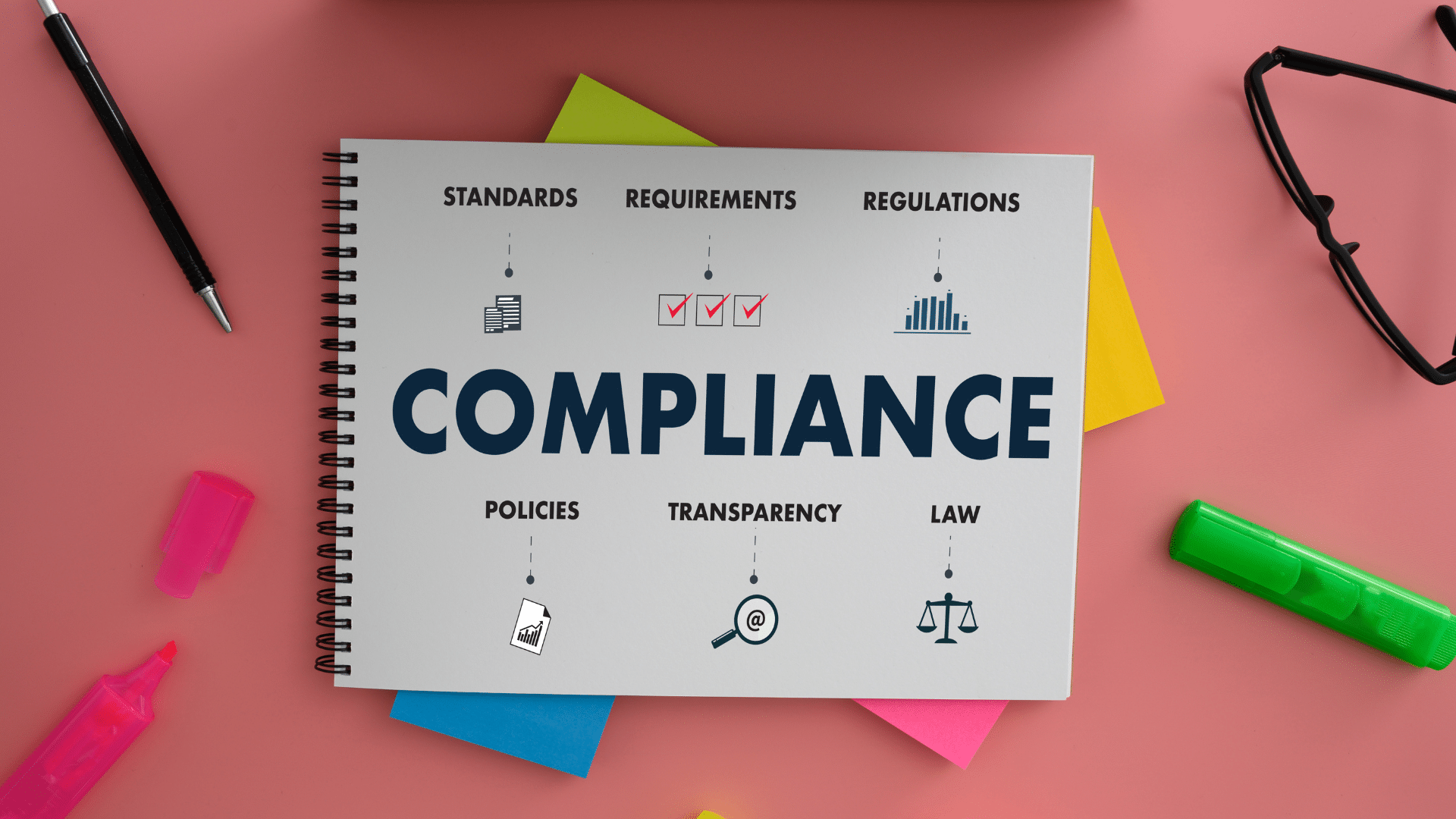
Security Elevates Compliance Beyond A "Check-The-Box" Approach
"Compliance is not the end goal when it comes to building an information security program," noted Rhymetec CISO Metin Kortak in our recent webinar on Security vs. Compliance.
Many organizations want to comply with compliance frameworks because it's a necessity for their customers or industry. However, there are many security measures that need to be carried out to build a truly robust infosec program that goes beyond a "check-the-box" approach to compliance.
Security is not a binary.
The question isn't, "Is this secure or is it not?". It's about the specific threats you want to protect against, the level of investment you can make, and the assets you're most concerned with protecting. Risk modeling is a great first step to answer these questions. Your security program should stem from your risk modeling and business goals.
"You need to be more proactive rather than reactive when building your information security goals. We don't want to be purely reactive and implement security controls just for a short-term necessity - we want to build long-term information security programs," said Metin.
In Conclusion: The Symbiotic Relationship Between Security and Compliance
Compliance is a great vehicle for setting goals, while security is one of the many pillars propping up and maintaining an organization's compliance. Security underpins the factors that help you stay compliant.
As an example, a compliance standard may have vague language requiring patching for all critical vulnerabilities within X number of days. Meeting that requirement is important from a compliance perspective. Where security comes in is to figure out how you should operationalize this process. How will you know about these vulnerabilities in the first place? Who will be responsible for designing a plan to patch them?
These are extremely important questions to answer that go beyond controls in many compliance frameworks. At the same time, building long-term strong security processes makes it easier to remain compliant over time.
At Rhymetec, we firmly believe that meeting key requirements is only the first step in establishing a strong security program.
About Rhymetec
Our experts have been disrupting the cybersecurity, compliance, and data privacy space since 2015. We make security simple and accessible so you can put more time and energy into other critical areas of your business. What makes us unique is that we act as an extension of your team. We consult on developing stronger information security and compliance programs within your environment and provide the services to meet these standards. Most organizations offer one or the other.
From compliance readiness (SOC 2, ISO/IEC 27001, HIPAA, GDPR, and more) to Penetration Testing and ISO Internal Audits/ISO Compliance, we offer a wide range of consulting, security, vendor management, phishing testing services, and managed compliance services that can be tailored to your business environment.
We leverage cutting-edge technologies, including compliance automation software, to fast-track you to compliance. If you're ready to learn about how Rhymetec can help you, contact us today to meet with our team.
About the Author: Justin Rende, CEO
Justin Rende has been providing comprehensive and customizable technology solutions around the globe since 2001. In 2015 he founded Rhymetec with the mission to reduce the complexities of cloud security and make cutting-edge cybersecurity services available to SaaS-based startups. Under Justin's leadership, Rhymetec has redesigned infosec and data privacy compliance programs for the modern SaaS-based company and established itself as a leader in cloud security services.
Interested in reading more? Check out additional content on our blog.
Companies are rapidly adopting artificial intelligence (AI) and deploying it to help with multiple business functions. According to an April 2023 Forbes Advisor survey, 53% of businesses apply AI to improve production processes, 51% adopt it for process automation and 52% use it for search engine optimization tasks.
However, using AI comes with new cybersecurity threats that traditional policies don't address. AI systems can have flaws that attackers exploit. Developers may not fully understand how or why AI makes certain decisions, which allows biases and errors to go undetected. This "black box" effect exposes organizations to potential compliance, ethical and reliability issues.
As hackers get more advanced, manual monitoring needs to be improved. AI's pattern recognition is crucial for defense. Organizations must update their security policies to deal with AI-related risks, and failure to do so leaves them vulnerable.
Why Updating AI Security Policies Is Critical
As the use of AI accelerates, it's essential to formulate precise policies for its secure development, deployment and operation.
With more companies embracing remote work as a result of Covid-19, the "attack surface" has grown exponentially. This makes AI-powered threat detection and response essential. AI can instantly identify a compromise and initiate countermeasures before major harm occurs. Updating policies to incorporate AI security processes is vital for reducing risk.
The explosion of data from digital transformation, IoT devices and other sources has made manual analysis impossible. Policies must define how AI fits into the organization's technology stack and security strategy.
Regulations are also playing catch-up when it comes to AI. Frameworks like SOC 2 have compliance standards for traditional IT controls, but few have covered AI specifically to date. However, this is starting to be a consideration for other frameworks such as ISO. Organizations may need to draft custom AI policies that align with their industry's regulations. For example, healthcare companies subject to HIPAA rules must ensure any AI systems processing patient data meet strict security and privacy requirements.
How AI Strengthens Cybersecurity Defenses
AI is revolutionizing cybersecurity by providing businesses with innovative defense mechanisms against threats, and tech-savvy enterprises should prioritize integrating it into their security posture. In particular, software-as-a-service (SaaS) companies can reap significant benefits from the security enhancements that AI delivers. Updating policies is essential to incorporate AI, assess its multifaceted impact and plan for its effective deployment to maximize its potential while minimizing risks.
Integrating AI into cybersecurity can turn it into a formidable defense tool. The rapid data processing capabilities and knack for spotting critical signs can allow AI to thoroughly examine vast datasets, revealing any hints of suspicious activities, unauthorized access or looming security risks.
By swiftly sifting through and analyzing thousands of logs within seconds, AI can empower organizations to detect and mitigate risks promptly—safeguarding the integrity and security of their systems. AI can bolster a company's defense mechanisms through this proactive strategy, keeping it ahead of potential threats and vulnerabilities.
Addressing Policy Challenges
Developing robust policies is vital to securely integrating AI into your company's operations. While AI can be a formidable cyber defense tool, it poses policy-related challenges like ethics, data privacy, compliance, data governance and vendor relationships.
To integrate AI into your organization's policies effectively, provide in-depth employee training for responsible AI usage and data protection. Continuous policy monitoring, testing and risk assessments can ensure system reliability.
While global regulators work on AI governance, organizations must self-regulate for ethical and responsible AI use. For instance, biased data in AI can breach ethical and compliance standards. Crafting policies prioritizing safety and ethics is vital to protect your company and employees in the AI-powered landscape.
Maintaining Public Trust Requires Care
Organizations must meticulously evaluate and manage AI implementation to prevent unjust outcomes that could lead to legal liabilities or public backlash. Numerous real-world events illustrate the consequences of mismanaged AI implementations. In 2018, Reuters reported that Amazon had to scrap its AI-driven recruiting tool because it showed bias against job candidates who were women—reflecting the potential for biased outcomes in AI systems.
Such mishaps can erode public trust. Companies must thoroughly audit algorithms and data pipelines to uncover and address possible biases. Comprehensive policies encompassing detailed AI testing, documentation and oversight are indispensable for navigating the complexities of AI implementation. Internal policies are crucial in aligning AI initiatives with organizational values, preventing incidents that could harm the brand.
Clear Policies Are Needed
In general, the public remains wary of AI and its implications, with surveys showing a growing distrust among consumers and concerns about losing privacy and autonomy. Clear policies guiding AI's use in a transparent, ethical and secure manner are essential for maintaining trust.
As cognitive technologies continue permeating business operations, updated guidelines will prove critical. Companies hoping to capitalize on AI's promise must enact policies that ensure ethics, fairness and accountability. AI initiatives undertaken without these safeguards risk reputational damage.
The Future Depends On Thoughtful Integration
The expanding capabilities of AI are inspiring, but companies must approach integration thoughtfully. With deliberate planning, AI can be invaluable for identifying threats, responding to incidents and strengthening overall security posture. However, with updated policies addressing AI's unique risks, organizations can stay safe. It's time to revise security protocols and prepare for AI's integral role in the future of cyber defense.
You can read the original article posted in Forbes by Rhymetec CEO, Justin Rende.
About Rhymetec
Rhymetec was founded in 2015 as a Penetration Testing company. Since then, we have served hundreds of SaaS businesses globally in all their cybersecurity, compliance, and data privacy needs. We’re industry leaders in cloud security, and our custom services align with the specific needs of your business. If you want to learn more about how our team can help your business with your security needs, contact our team for more information.
If your organization is interested in exploring compliance with AI standards, we now offer ISO/IEC 42001 certification readiness and maintenance services and are happy to answer any questions you may have.
Contact Us
Interested in reading more? Check out additional content on our blog:
- Understanding ISO 42001 Controls: Managing Artificial Intelligence Responsibly
- Security Questionnaire From A Customer? What To Expect and How To Answer
- Cybersecurity for Startups: A Rhymetec Guide for 2024
Vendor management is a crucial component in safeguarding company cybersecurity. As businesses increasingly rely on various external services and products, ensuring these external partners uphold strong security standards becomes imperative. I've found that the rapid progression of technology in the cyberspace, companies must completely understand each vendor with access to transmit or store end-user data. They must have in-depth knowledge of the vendor's security profile and monitor it diligently to mitigate potential risks. From my experience, here are some of the top reasons why many companies aren't secure in this respect.
1. Increasing Vendor Numbers
Companies are increasingly engaging with larger numbers of vendors due to globalization, the need for specialized expertise, and the drive for cost efficiency. Statistics show that organizations' average number of third-party SaaS vendors increased by 62% between 2020 and 2022. This trend is fueled by the desire to focus on core competencies, leverage technological advancements, and enhance competitive positioning in the market.
2. Higher Supply Chain Risks
The growing number of vendors is one reason for the higher percentage of supply chain attacks. These occur because key suppliers or vendors may be more vulnerable to attack than the primary target, making them weak links in the overall network. In 2020, Accenture reported that 40% of cyberattacks originated from the extended supply chain.
For instance, in 2017, NotPetya malware spread via a Ukrainian accounting software company called M.E.Doc. The malware spread to other companies that used M.E.Doc's software, including Maersk, a global shipping company. The attack caused Maersk to shut down its IT systems for several days, resulting in a loss of $300 million.
3. Lack Of Continuous Monitoring in Vendor Management
The absence of continuous vendor monitoring in vendor management can lead to missed vulnerabilities and escalating risks. Continuous monitoring is crucial for detecting changes in vendors' security postures and guaranteeing adherence to security standards. Without it, companies may find themselves blindsided by security breaches originating from their vendors. Remarkably, research from the Ponemon Institute shows that 50% of organizations don't monitor third parties accessing their sensitive and confidential information.
4. Cost-Cutting Measures
The pressure to constantly cut costs is another threat to vendor cybersecurity programs. Research shows over two-thirds of organizations spend less than 10% of their IT budgets on security. Such cost-cutting measures can lead to inadequate security practices, such as failure to renew certifications or maintain compliance annually, leaving companies vulnerable to data breaches and cyberattacks. While reducing expenses is a common business goal, it should not come at the expense of robust security measures.
5. Risk Of Non-Compliance in Vendor Management
Non-compliance with cybersecurity standards also presents considerable risks. A checkbox approach, where companies merely meet the minimum requirements for compliance, is insufficient protection against cyber threats. One study found that 59% of organizations experienced a data breach caused by a third party. This statistic emphasizes the importance of ensuring all vendors comply with security policies, as their non-compliance can lead to severe and costly security incidents, damaging both the company's data integrity and its reputation.
6. Reactive Security Approaches
Reactive third-party security approaches leave companies vulnerable because they focus on responding to breaches after they occur, allowing damage to unfold unchecked. A lack of continuous monitoring and proactive vendor risk assessments can result in unnoticed security gaps, increasing the risk of data breaches.
For example, intrusion detection is only good after the fact; it doesn't protect a company from risk. With 4,145 data breaches at an average cost of $9.44 million each, the financial impact of the 59% caused by third-party vendors in 2022 was $22.9 billion. Companies struggle to keep pace with evolving cyber threats, which can lead to non-compliance with regulatory frameworks and compromise their security posture further.
7. Inadequate Security Training
A common shortfall I've seen in vendor management is the lack of comprehensive security training for employees. Humans are every company's biggest risk factor, and training significantly impacts employees' awareness and behavior regarding information security. For example, research into permissions provided to third-party vendors in cloud environments showed that 82% of enterprise organizations provided vendors with highly privileged roles. Seventy-six percent gave vendors roles allowing full account takeover, and over 90% of cloud security teams were unaware they had given such high permissions to vendors.
How To Prioritize Security in Vendor Management
A comprehensive vendor security analysis includes sending suppliers questionnaires to vet their security profiles and continuously monitor their postures. As it stands, 98% of organizations globally have relationships with at least one breached third party, and those that haven't been breached yet aren't immune to it happening to them.
Vigilant vendor management is vital to maintain a secure business environment. The primary risk lies in how people understand and handle their data. This understanding extends to vendor management, where the real challenge is ensuring that every vendor involved in the company's operations maintains a high security standard.
I find it critical that companies have a proactive approach that focuses on intrusion prevention and comprehensive employee training. Understanding vendors' capabilities and continuously monitoring their security postures is vital for fostering a security culture that permeates every aspect of the business, ultimately safeguarding the company's future.
You can read the original article posted in Forbes by Rhymetec CEO, Justin Rende.
About Rhymetec
Our experts have been disrupting the cybersecurity, compliance and data privacy space since 2015. We make security simple and accessible so you can put more time and energy into other critical areas of your business—Some of our customers have gone on to be acquired by Meta and Zoom. Our customers trust us to help them reap the benefits of having a stronger security program.
What makes us unique is that we act as an extension to your team. We consult on developing stronger information security programs within your environment, and provide the services to meet these standards. Most organizations offer one or the other. From compliance readiness (SOC 2, ISO/IEC 27001, HIPAA, GDPR and more) to Penetration Testing (Web Application Pentest, API Pentest, External Network Pentest and Mobile Application Pentest) and ISO Internal Audits, we offer a wide range of consulting, security, vendor management, and managed compliance services that can be tailored to your business environment.
If you’re ready to learn about how Rhymetec can help you, contact us today to meet with our team.
Interested in reading more? Check out additional content on our blog:
- Cybersecurity For Startups: A Rhymetec Guide For 2024
- Understanding ISO 42001 Controls: Managing Artificial Intelligence Responsibly
- The Misconception Of Cost In Building An Infosec Program
The array of compliance requirements being propagated by both government and private sector entities is dizzying. The European Union's NIS2 regulations, the recent SEC data breach notification rule, and the ever-impending requirements under the U.S. DoD's CMMC are all examples of an expanding regulatory framework meant to bolster corporate information security practices and protect consumer data.
Building a comprehensive information security program that maps technical and process controls to existing and pending regulations has never been more critical, but companies still struggle.
Compliance is complex. Small companies often lack the full-time subject matter experts required to translate technical jargon into risk reduction and compliance controls. Large organizations, meanwhile, struggle with massive IT infrastructures and huge amounts of data.
This article dives deep into the world of information security compliance. First, we'll examine why governments and private industry groups are expanding requirements. We'll then spotlight a few upcoming requirements. Finally, we will review a way that organizations, both large and small, can stay current with compliance - an approach Rhymetec dubs "managed compliance" or "compliance management."
Managed Compliance: Why Is The Regulatory Landscape Shifting?
Before we dive into how the landscape is shifting, let's start with a more basic question - why is it shifting?
The simple answer is that the cyber threat landscape is becoming increasingly dire at the same time as geopolitical tension is increasing around the world.
Ransomware continues to plague both large enterprises and small organizations, and ransomware groups are resorting to increasingly high-stakes gambits in order to elicit payments.
These aggressive tactics were on full display in February of 2024 with the attack on Change Healthcare, which allegedly compromised terabytes of personal health data belonging to millions of consumers. The ransomware group Black Cat not only encrypted files but also threatened to publicize the information if payment was not made, resulting in an eye-popping twenty-two million dollar ransom.
Secondly, geopolitical tensions between the United States and Russia continue to remain at a post-Cold War low point. The risk of Russian, Iranian, and Chinese cyber-espionage against the U.S. technology and critical infrastructure sectors continues to remain acute, with both CISA and the U.S. FBI publishing repeated warnings that they have evidence of ongoing campaigns.
Finally, the cybercrime ecosystem itself is expanding rapidly, and the cybercrime market is booming: The global cost of cybercrime is projected to increase 15% year over year, reaching an annual $10.5 trillion USD by 2025. Market economics incentivizes threat actors to target both consumers and businesses as it pays, particularly in countries and economies with relatively weak rule of law and low median earnings.
Governments around the world, but particularly in Western Europe and the United States, are responding to these challenges with an increasing array of regulations, warnings, and executive decrees designed to incentivize companies to improve their security posture and reduce risk.
Pending Regulations & Examples of Managed Compliance in a Rapidly Changing World
There are many regulations one could cover in this article.
To illustrate our point we will focus on two salient requirements that are particularly telling of where things are moving: The EU's NIS2 Directive and the SEC data breach notification requirement. We will also talk about recent updates to frameworks like ISO that address new risks to organizations posed by Artificial Intelligence.
The NIS2 Directive and The EU
NIS2 is an EU-wide compliance requirement that will require many EU businesses to meet increasingly stringent information security requirements. Version 2 builds on an original framework that was specifically targeted to improve the security of a narrow band of critical infrastructure companies within the European Union. NIS2 expands on both the scope and scale of NIS, mandating requirements for what will likely be the majority of EU businesses.
EU regulations work by creating a comprehensive framework at the EU level, which is then written into each EU member's legal code by a certain date. As it stands, many organizations will be required to implement NIS2 by the fall of 2024, specifically ones that provide necessary services to the EU member states, regardless of location.
Some key changes in NIS2 include:
Executive teams and boards of directors become directly liable for compliance violations under the update. Organizations that fall under the regulation are required to implement many specific technical safeguards and are required to report serious incidents to their national Cyber Security Incident Response Teams (CSIRT). Covered organizations are also required to carefully evaluate their supply chains for risks that could result in substantial disruption.
NIS2 is novel in several respects, particularly by making boards of directors and corporate executives directly liable for non-compliance. We've seen a similar move to raise cyber risk to the board level in the United States, with the recent propagation of the voluntary framework NIST CSF V2.0 with the addition of the NIST governance function.
SEC Data Breach Notification Rule
The United States currently lacks a strong national cybersecurity regulation such as NIS2. However, various states and federal entities continue to add additional requirements. In 2023 the U.S. Securities and Exchange Commission published a data breach notification rule, requiring covered financial entities to publicly report a substantially adverse event within 24 hours. While this may seem relatively minor, this extends reporting requirements to thousands of publicly traded financial institutions.
The new SEC rule is illustrative of the U.S. patchwork approach to security compliance. Unlike the EU, which is adopting sweeping pan-national legislation, the U.S. instead operates under an array of state, federal, and administrative information security requirements. This can create enormous complexity for both startups and large enterprises as there are questions of jurisdiction, legal language, and mapping complex controls to a variety of requirements.
ISO 42001 and The AI Management System
The AI boom isn't showing any signs of slowing down. Organizations all over the world are increasingly incorporating the use of AI into their operations and systems. While AI may represent exciting opportunities, a cautious approach that keeps in mind security risks is necessary, particularly as AI is increasingly incorporated into many SaaS companies.
Before implementing AI, security experts recommend that organizations consider the following factors: The projected impact on products, transparency and customer trust, contractual obligations and customer agreements, how AI processes data, and, above all - data privacy and security concerns.
Enter ISO 42001.
ISO 42001 is the first international standard for the use of Artificial Intelligence. It provides comprehensive guidance for organizations on how to establish and manage systems using AI. Similar to the updated NIST CSF framework and NIS 2 in the EU, there appears to be a stronger focus on governance in ISO 42001.
Certification with the standard includes incorporating a defensible systems management strategy specifically for AI. Under controls that address leadership, top management must show how the AIMS (AI Management System) is being used across the organization and how it aligns with the overall direction and goals of the organization.
It's important to note here that this part of the standard emphasizes continuous improvement. To stay compliant, organizations must provide ongoing evidence that their AIMS is not only continually working as intended but that they are continually improving it to align with new uses of their systems.
Overall, ISO 42001 illustrates yet another shift in the direction of two areas:
1 ) The increasing importance of governance.
2) The sharper focus on continuous compliance rather than a "check the box" mentality of compliance.
Three Benefits of Managed Compliance
At Rhymetec, our vCISO services take the approach of continuous managed compliance.
That is, we don't treat requirements as a fixed-in-time prescriptive list that's checked off once it's done. Instead, we work with our customers to continuously demonstrate affirmative compliance across multiple frameworks and requirements.
We fully manage your legal and voluntary compliance for you in a way that is guaranteed to continuously fine-tune your security posture, be defendable to auditors, and scale with your growing business. We take a multi-step process that includes:
1. Understanding Which Compliance Requirements Apply
It can be remarkably complex for small organizations (and sometimes large ones!) to even begin to understand which compliance requirements they are legally obligated to meet. For example, a large financial institution operating out of New York State may be obligated to meet cybersecurity requirements under:
- NYDFS Cybersecurity Regulation
- The EU's General Data Protection Regulation (GDPR)
- The U.S. Gramm-Leach-Bliley Act (GLBA)
- The Payment Card Industry Data Security Standard (PCI DSS)
- SOC 2 (As required by customers)
- ISO 27001 (As required by customers)
Rhymetec works continuously with our clients to examine their current business and which existing requirements may apply to them while also keeping an eye on developing requirements in order to help our customers proactively meet legal obligations.
2. Implementing Controls Effectively: Doing Just The Right Amount
One of the benefits of working with a Managed Security Services Provider to implement a managed compliance program is that we leverage more than a century of cumulative experience across a diverse range of cybersecurity disciplines. We bring this experience to bear for clients in order to maximize the efficiency of control implementation. We only implement the controls that make sense for our clients.
Fortunately for our clients (and their bank accounts!), in many cases, one security control can meet requirements under multiple frameworks and regulations. For example, the control "employee training" can be tailored to meet requirements under both SOC 2 and HIPAA.
When architected properly, an information security program should be able to meet a large number of requirements with a small number of controls. Effective compliance programs serve as business enablers, allowing the business to work in confidence that they have substantially reduced breach risk and are meeting relevant regulatory requirements.
Bonus Tip For Startups:
As your organization matures, you will likely be asked to meet an increasing number of both legal and voluntary requirements such as SOC 2, NIS2, GDPR, CCPA, FedRAMP, and others. Rhymetec works to understand our client's business so that we can advise you to be as efficient as possible when implementing compliance frameworks the first time, resulting in cost savings down the road.
For example, if you know you will be selling to the federal government in 2025, we can architect your program to begin meeting and documenting FedRAMP requirements early.
3. Continuous Review
Security is not a fixed point in time activity.
A well-managed compliance program should involve continuous review of the organization's security controls to ensure they are being effectively met and that processes are properly implemented. Many organizations that attempt to meet compliance themselves follow a similar pattern:
- An organizational leader is tasked with meeting a common compliance requirement or framework, often SOC 2 or ISO 27001 (more often than not because a prospect has asked for it).
- They spend several weeks building documentation, paperwork, and processes to demonstrate compliance.
- They implement many required technical controls.
- But, by the time the auditor comes, many of the processes have been discarded in favor of efficiency and many of the technical controls have lapsed, resulting in a poor showing on the compliance audit.
At Rhymetec, we take the opposite approach:
Controls are only as effective as their implementation and processes are only as good as the adherence to them is. We work with our clients to ensure that security policies aren't just documents that sit on a shelf collecting dust but are core business documents that form the basis for how the organization does business.
Knowing you've outsourced the complexity of all of this and have a team continuously taking care of your legal and voluntary requirements provides peace of mind. That's one of the key benefits of managed compliance that companies report.
Rhymetec's Method for Accelerating and Managing Compliance
Our team has worked with hundreds of clients across different industries. We are equipped with the expertise to conduct a thorough gap analysis at the beginning of the engagement to identify areas of improvement. Our team works with you to craft a roadmap tailored to your individual security needs and the compliance requirements relevant to your industry.
We leverage the latest technology, such as compliance automation tools, to streamline documentation of your security policies, collect evidence for audits, and more. We offer expert phishing testing services, internal audits, and penetration testing services (including mobile application penetration testing and web application penetration testing) that are guaranteed to meet security controls.
Finally, our team of experts continuously reviews and updates existing controls, evaluates your information security program throughout phases of growth, and stays up to date with the latest changes in the industry or with compliance standards to help you prevent gaps in compliance—providing an effective compliance maintenance program.
About the Author: Justin Rende, CEO
Justin Rende has been providing comprehensive and customizable technology solutions around the globe since 2001. In 2015 he founded Rhymetec with the mission to reduce the complexities of cloud security and make cutting-edge cybersecurity services available to SaaS-based startups. Under Justin’s leadership, Rhymetec has redesigned infosec and data privacy compliance management programs for the modern SaaS-based company and established itself as a leader in cloud security services.
It should come as no surprise that cybersecurity threats intensified in 2023. Research shows that 62% of organizations believe their cybersecurity teams are understaffed. As 2024 looms near, digital threats are expected to increase in sophistication. Consequently, the tools and strategies cyberprofessionals use to counter them must also adapt. By staying informed about emerging threats, enterprises and individuals can bolster their defenses, ensuring a safer digital environment. There are 7 proactive cybersecruity trends IT practitioners can expect to see dominate in the new year.
Trend #1: The Rise of AI in Cybersecurity
Artificial intelligence (AI) is rapidly shaping cybersecurity by analyzing vast amounts of data to detect threats often missed by humans. AI automates repetitive tasks and offers predictive insights, moving the needle from a reactive security approach to a proactive one. However, its integration has challenges. While AI enhances detection and offers predictive insights, it also introduces risk, namely, the potential for systems to be exploited by malicious actors. Embracing AI in cybersecurity demands a balanced approach that considers both its advantages and inherent risk. Organizations can achieve this balance by equipping employees with the skills necessary to utilize AI technology safely.
Trend #2: The Persistent Risk of the Remote Workforce
This was a widely recognized risk in 2023—and it is not going away in 2024. The onset of the COVID-19 pandemic (and resulting shift to remote work) created a unique set of cybersecurity challenges. Upwork estimates that 36.2 million people in the United States will work remotely by 2025, an increase of 16.8 million people compared to pre-pandemic numbers.1 More than 60% of all enterprise data is stored in the cloud.2 As increasing numbers of employees retrieve this data from home, the boundaries defining secure enterprise networks have blurred.
As increasing numbers of employees retrieve [enterprise] data from home, the boundaries defining secure enterprise networks have blurred.
Similarly, the use of personal devices for work activities continues to pose a challenge. These devices, often lacking the robust security measures of enterprise-owned hardware, become potential threat entry points. The absence of physical security controls (such as surveillance systems, access controls and perimeter security) that exist in office environments also increases risk.
In addition, the perceived safety of one's home often leads to complacency. Individuals believe their home networks are secure, causing them to overlook potential vulnerabilities. This mindset is a factor attackers can exploit, especially as the number of remote workers increases. Organizations can mitigate this risk through enhanced training and awareness tactics, comprehensive cybersecurity policies, and regular software updates, among other options.
Trend #3: The Growing Concern of Mobile Security
It is hard to ignore the burgeoning number of mobile applications (apps) available to consumers. With the convenience and accessibility they offer, mobile app usage has surged. This rise comes with specific cybersecurity challenges:
- Each mobile application presents a potential vulnerability. Users who download and interact with apps can unwittingly expose sensitive data or grant access hackers can exploit. The sheer volume of apps makes it difficult to ensure that each one adheres to stringent security standards.
- Personal mobile devices are not secure. The growing market share of mobile devices, expected to reach 3.6 billion units by the end of 2024,3 means that they are becoming primary targets for cyberthreats. As more people rely on smartphones and tablets, the stakes for securing the devices also rise.
It is essential to recognize the risk associated with mobile usage and take steps to mitigate it. Robust mobile security is not only about protecting individual devices but also the data they access and store. Enterprises can address risk by developing secure mobile apps, implementing mobile device management solutions and enforcing strong authentication measures.4
Robust mobile security is not only about protecting individual devices, but also the data they access and store.
Trend #4: IoT
The Internet of Things (IoT) is steadily gaining traction, transforming everyday objects into smart, interconnected devices. From home appliances to industrial equipment, IoT’s reach is expansive, signaling a new era of connectivity. This increase in connectivity raises risk, because each IoT device in an ecosystem potentially offers an entry point for malicious actors. A vulnerability in one interconnected device can have cascading effects and compromise an entire network's security.
As IoT adoption rises,5 it is crucial to address vulnerabilities and ensure that every device is secure, updated routinely and monitored for potential threats.
Trend #5: Cloud Security and Compliance Automation
Over the past several years, the transition from on-premises infrastructure to cloud-based solutions has been swift. Organizations increasingly recognize the benefits of the cloud, ranging from scalability to cost efficiency. However, this migration also introduces new cybersecurity challenges. As data moves to the cloud, protecting it becomes a priority. Enterprises must ensure that their cloud environments are as secure, if not more so, than traditional infrastructures.
Compliance has also undergone a transformation. With the emergence of Software-as-a-Service (SaaS)-based organizations, there has been a notable uptick in compliance automation platforms. By integrating with these platforms, enterprises can ensure that they meet industry standards without manual overheads.
Trend #6: State-Sponsored Cyberthreats
In 2023, state-sponsored cyberthreats became a pressing concern,6 one that is likely to continue into 2024. As tensions rise between nations, cyberattacks are increasingly used as political and strategic tools. Sophisticated and well-funded attacks often target critical infrastructures, government systems and even private enterprises.
The nature of these threats underscores the importance of considering geopolitical dynamics in cybersecurity strategies. To address these challenges, organizations must stay informed about global political developments and their potential cyberimplications. This allows cybersecurity teams to prepare for and respond to threats posed by state-sponsored cyberactivities.
Trend #7: The Talent Gap in Cybersecurity
The cybersecurity industry faces a widening talent gap in 2024. As cyberthreats become more complex and frequent, the demand for skilled professionals has surged.7 However, meeting this demand has proven to be a significant hurdle.
The need for more expertise across various levels is a primary concern. From entry-level to senior leadership roles, the industry needs more individuals skilled in disciplines such as:8
- Cybersecurity analysis
- Incident response and management
- Knowledge of network, cloud and application security
- Threat intelligence
- Compliance and risk management
- Identity and access management
- Penetration testing and ethical hacking
- Architecture and engineering
- Cryptography
- Forensics and investigation expertise
Skill deficits in these areas hamper the ability to address current threats and slow the development of strategies to anticipate future challenges.
A multi-faceted approach is necessary to address this issue. Enterprises must invest in education and training programs for existing employees to enhance their cybersecurity skills. They must foster cultures of continuous learning through ongoing professional development opportunities. Widening searches for talent by cross-training with other disciplines and implementing inclusive hiring practices will enable organizations to benefit from the skill sets of the 26% of cybersecurity professionals who come from racial and ethnic minority backgrounds.9
Conclusion: Cybersecurity Trends
2024 will bring a new batch of cybersecurity challenges and opportunities. One factor that will remain constant is the need to be proactive and anticipate risk in advance. By monitoring these trends, organizations can position themselves to navigate cybersecurity and achieve a safer digital future.
Endnotes
1 Ozimek, A.; “Economist Report: Future Workforce,” Upwork
2 Lookout, Hybrid Work and BYOD: Enterprise Security Risks on the Rise, 2023
3 Goldstein Market Intelligence, Global Smartphone Market Outlook 2024: Global Opportunity And Demand Analysis, Market Forecast, 2016-2024, 18 June 2019
4 Bineesh, M.; “Mobile App Security Best Practices for Businesses,” ITSecurityWire, 26 October 2023
5 Allinson, M.; “IOT Platform Market Forecast for 2024: Trends Analysis,” Robotics & Automation News, 30 June 2023
6 US Department of Defense, 2023 Cyber Strategy of The Department of Defense, USA, 2023
7 CyberSeek, “Shortfall of Skilled Cybersecurity Workers in the US Reaches an Estimated 466,000, CyberSeek Data Reveals,” 6 June 2023
8 CompTIA, State of Cybersecurity 2024, September 2023
9 ISC2, “Revealing New Opportunities for the Cybersecurity Workforce”
JUSTIN RENDE
Has been providing comprehensive and customizable technology solutions around the globe since 2001. With his focus on innovation and efficiency, Rende’s technology-forward methodology has set him apart from other cybersecurity professionals. His understanding of industry trends has allowed him to stay on top of the latest security threats and match them with the most innovative and best-of-breed solutions, products and solutions. In 2015, Rende founded Rhymetec to focus exclusively on cybersecurity and develop the most secure, simplified and innovative cybersecurity solutions. He advises his clients to adopt cutting-edge technology before it becomes mainstream, resulting in the most secure and cost-effective technology that scales with a client’s business.
You can read the original article posted in ISACA by Rhymetec CEO, Justin Rende.
Need a team that enables your company to keep up with and align practices to current trends in cybersecurity?
Rhymetec was founded in 2015 as a Penetration Testing company. Since then, we have served hundreds of SaaS businesses globally in all their cybersecurity, compliance, and data privacy needs. We’re industry leaders in cloud security, and our custom services align with the specific needs of your business. If you want to learn more about how our team can help your business with your security needs, contact our team for more information.
Interested in reading more? Check out our blogs:
- Security Policies for Small Businesses: 5 Tips For Effective Communication
- 6 Ways Cybersecurity Is Important For Business Growth
Since the pandemic began, remote work has grown in popularity to the point that many companies now operate remotely. The Bureau of Labor Statistics found that around 27% of the U.S. workforce worked remotely at least part-time as of August and September 2022, but some academic surveys suggest the number was closer to 50%. With technological advancements driving the remote revolution, companies grapple with cultivating a cohesive culture without physical proximity. Is fostering a true team spirit and camaraderie in a remote setting a paradox? How does the lack of in-person interactions affect team dynamics, and what are some potential solutions to bridge this gap?
Here are some innovative approaches for nurturing a remote culture that resonates with the essence of the traditional workplace environment.
The Remote Work Paradox
Building a thriving culture remotely seems contradictory. The essence of a company's culture often lies in the intangible connections formed between its members. However, when interactions are confined to screens, this essence is challenged. The lack of personal contact and impromptu conversations (think: watercooler exchanges) that shape the organic development of relationships in a traditional office setting is acutely felt. Without in-person interactions, employees often miss out on small, unspoken signals, leading to potential misunderstandings.
Maintaining team morale and motivation is another challenge. In an office setting, the energy and enthusiasm of colleagues can be contagious; however, in a remote environment, maintaining this vibrancy becomes a chore. The spontaneity and warmth of face-to-face interactions are hard to replace in a virtual environment.
When employees work remotely, they often take a siloed approach to their tasks that can make them feel particularly isolated. This kind of separation makes building a united and friendly work atmosphere—which is important for success—difficult. Creating a sense of belonging and loyalty to the company is more difficult when workers don't interact with the organization's space and people.
These challenges demonstrate the importance of finding innovative ways to build a strong, interconnected remote culture.
Breaking Down The Barriers
Our cybersecurity firm recently tackled the remote culture conundrum head-on by organizing a company retreat. The retreat aimed to bridge the gap created (by working online) and build genuine connections between team members. The agenda was carefully crafted to balance formal business discussions with casual, fun activities designed to help team members bond and get to know each other outside of work.
The retreat was a game-changer. Team members, who only knew each other through computer screens, got to share experiences and get to know each other better in a relaxed environment. Meeting face to face broke down the usual formalities and helped everyone understand each other as co-workers and as people.
After the retreat, we saw a significant change in how the team interacted and cooperated. Colleagues who used to communicate primarily by email and online meetings formed personal bonds. These new relationships led to easier conversations, better teamwork and a stronger feeling of being part of the team. The retreat proved that while remote work is undoubtedly viable, meeting in person occasionally is critical for building a strong and united team culture.
The Impact Of In-Person Interaction
The value of in-person interactions in shaping a remote culture is massive. Meeting face to face helps people understand and relate to each other in ways that are hard to do online. The in-person meetings at the retreat enabled team members to get to know each other better and learn about each other's personalities, how they work and their lives outside of work.
This better understanding improved the way everyone communicated. Talks became more open and relaxed. It became easier for everyone to talk to each other, leading to a friendlier and more supportive atmosphere at work.
Tricky, But Not Impossible
Despite the challenges of remote work, the company remains committed to the remote model. However, we now know that meeting in person is important, too, so we aim to continue holding retreats and events a couple of times a year. We believe this will help keep the team's spirit and culture strong, like when employees meet in person.
Creating a remote work culture is tricky but possible. As the way we work keeps changing, combining the freedom of remote work with occasional in-person gatherings appears to be the right way to keep a team happy and productive and build a lively and effective culture.
You can read the original article posted in Forbes by Rhymetec CEO, Justin Rende.
About Rhymetec
Rhymetec was founded in 2015 as a Penetration Testing company. Since then, we have served hundreds of SaaS businesses globally in all their cybersecurity, compliance, and data privacy needs. We’re industry leaders in cloud security, and our custom services align with the specific needs of your business. If you want to learn more about how our team can help your business with your security needs, contact our team for more information.
Interested in reading more? Check out our blogs:
Partnering with a Managed Security Services Provider (MSSP) is an elegant solution for many companies for two main reasons:
- MSSPs provide specialized experience at scale, enabling organizations to access expert security services without having to build in-house security teams.
- Companies of all sizes are increasingly recognizing that good security is good business.
Cybersecurity and information technology risks continue to shift more rapidly than ever. Organizations of all sizes are coming under increasing regulatory scrutiny both in the United States and the European Union, with new requirements such as the U.S. SEC Data Breach rule and the EU's NIS2 Directive, as well as upcoming regulations like the Digital Operational Resilience Act (DORA) requirements in Europe and CMMC 2.0 in the U.S. defense sector.
In 2025, enterprise buyers are also raising the bar with stricter vendor due diligence and security questionnaire requirements. At the same time, a vast cybercrime underground continues to flourish, amplifying the ever-present threats of ransomware attacks, data breaches, and insider threats.
But even beyond these well-known risks, having a solid information security foundation is just good business. It inspires confidence with partners, vendors, customers, and employees. Even more than that, it enables organizations to scale effectively without the omnipresent threat of ransomware attacks, data breaches, and compliance violations.
Good security is good business.
What is a Managed Security Services Provider?
Managed Security Services Providers (MSSPs) provide outsourced cybersecurity and consulting services to businesses of all sizes, providing an elegant and simple solution for organizations to reduce the risk of both regulatory noncompliance and experiencing a threat actor attack. Common services provided include incident response, endpoint protection, threat intelligence, patch management, risk management, security questionnaire fulfillment, compliance management, and much more.
MSSPs centralize decades of security experience across different functions and organizations into a single entity, enabling small businesses to leverage security know-how and experience usually reserved for the world's largest and most sophisticated corporations.
Why Organizations Are Turning to MSSPs in 2025
Business drivers in 2025 include:
Expansion into regulated markets (e.g., finance, healthcare, SaaS)
Scaling globally, especially into Europe under NIS2 and DORA
Meeting stricter third-party vendor risk assessments from enterprise buyers
Preparing for CMMC 2.0 certification in the U.S. defense sector
This is why MSSPs like Rhymetec, now serving over 1,000 clients worldwide, are seeing increased demand from SaaS companies, startups, and enterprises alike.
Indeed, MSSPs help organizations work through a variety of complex technical and regulatory challenges, including:
Compliance Frameworks and Regulatory Requirements
Compliance requirements continue to proliferate adding additional regulatory impetus for organizations to improve their cybersecurity.
That's one of the reasons why Managed Security Services Providers with extensive experience helping organizations meet a range of frameworks (such as SOC 2, ISO 27001, PCI DSS, FedRAMP, GDPR, and others) are increasingly seen as the best route to go to meet requirements. In 2025, new frameworks like ISO 42001 (AI Management Systems) are also becoming relevant for companies building or deploying AI, and the EU AI Act is introducing additional oversight.
Many organizations see regulatory requirements as purely a cost. However, collaborating with the right MSSP company can help transform these requirements into a net benefit that can be applied across the organization.
There's a reason that 75% of companies who achieve some level of continuous compliance view their compliance program as a business driver. Meeting regulatory and voluntary standards boosts your ability to serve more clients, unblock sales, and expand into additional markets.
And in 2025, CMMC 2.0 compliance is becoming a key requirement for U.S. defense contractors, making MSSP expertise essential for entry into that market.
Enterprise sales opportunities will want to see compliance with regulations relevant to their industry such as SOC 2, GDPR, HIPAA, and PCI before even considering an engagement. Working with an MSSP simplifies the process of achieving and maintaining compliance standards, ensuring you are able to break into new marketplaces as your company grows.
Penetration Testing
It's no secret that the threat landscape continues to drive higher levels of risk.
Increases in geopolitical tension, growth in cybercrime, and the rapidly evolving risk of ransomware attacks all directly increase risk to organizations. Penetration testing can directly reduce much of this risk.
Currently, another issue is that AI-powered attack tools and supply chain exploits are also creating new levels of exposure for SaaS companies. Through partnerships with leading platforms like XBOW, at Rhymetec, we now combine automation with human-led oversight to scale testing more effectively.
Similar to the importance of continuous compliance discussed above, when exploring how to select the right pen testing vendor, companies should consider the importance of continuous communication and a collaborative approach with the pen tester.
A good pen testing firm will work with you to scope the pen test to your organization's specific requirements and risks. For example, organizations that offer their data via API may benefit from API penetration testing while organizations with web applications may need pen testing specifically scoped to address common vulnerabilities in web applications.
A rigorous penetration test can identify flaws in your application or corporate security that an attacker could exploit. In addition, they can strengthen your compliance posture and reassure potential auditors that your organization takes security seriously.
An MSSP that offers pen testing as a service will collaborate with you to understand your business requirements and scope the pen test to vulnerabilities that threat actors are most likely to exploit based on your unique risk posture. For example, Rhymetec offers a variety of pen testing engagements, including web application, API, network, and mobile application pen testing.
Virtual CISO Services
Security isn't a one-time initiative. It's an evolving process that requires buy-in from individuals across the organization.
Virtual CISO (vCISO) services serve as the linchpin of a security program. A vCISO acts as your organization's security expert - enabling you to leverage executive security expertise without the need to employ a full-time CISO.
A vCISO can advise you on:
- When to make additional security investments
- Which security policies and procedures would most benefit your organization
- Emerging threats that may pose a risk to your business
- Maintaining robust security throughout complex engagements like cloud migrations
- Upcoming changes to compliance regulations that may need to be addressed
- Preparing you for compliance or data privacy audits
A good vCISO has an in-depth understanding of compliance requirements, coupled with the technical resources needed to implement security controls in the context of the threat landscape. Managed Security Services offering a vCISO service provide companies of all sizes access to this valuable combination of skills.
In addition, a vCISO enables you to maintain a posture of continuous compliance.
Working With A Managed Security Services Provider Encourages Continuous Compliance
At Rhymetec, we believe compliance shouldn't be a sprint right before an audit.
Organizations that make compliance core to their business can maintain a posture of constant compliance, reducing the stress and overhead associated with compliance while also ensuring that audit requirements are met.
A common misconception is that smaller businesses are exempt in some way from needing to meet requirements. However, requirements are generally stipulated across the board for most companies regardless of size.
Going beyond compliance frameworks, which represent a reasonable baseline but fall far from the finish line compared to an actual security program, vCISOs are able to implement additional security controls based on the unique risks an organization faces. Before building out or improving upon an existing security program, a vCISO will consider customer requirements and pinpoint specific laws and threats that apply to an organization and its vendors.
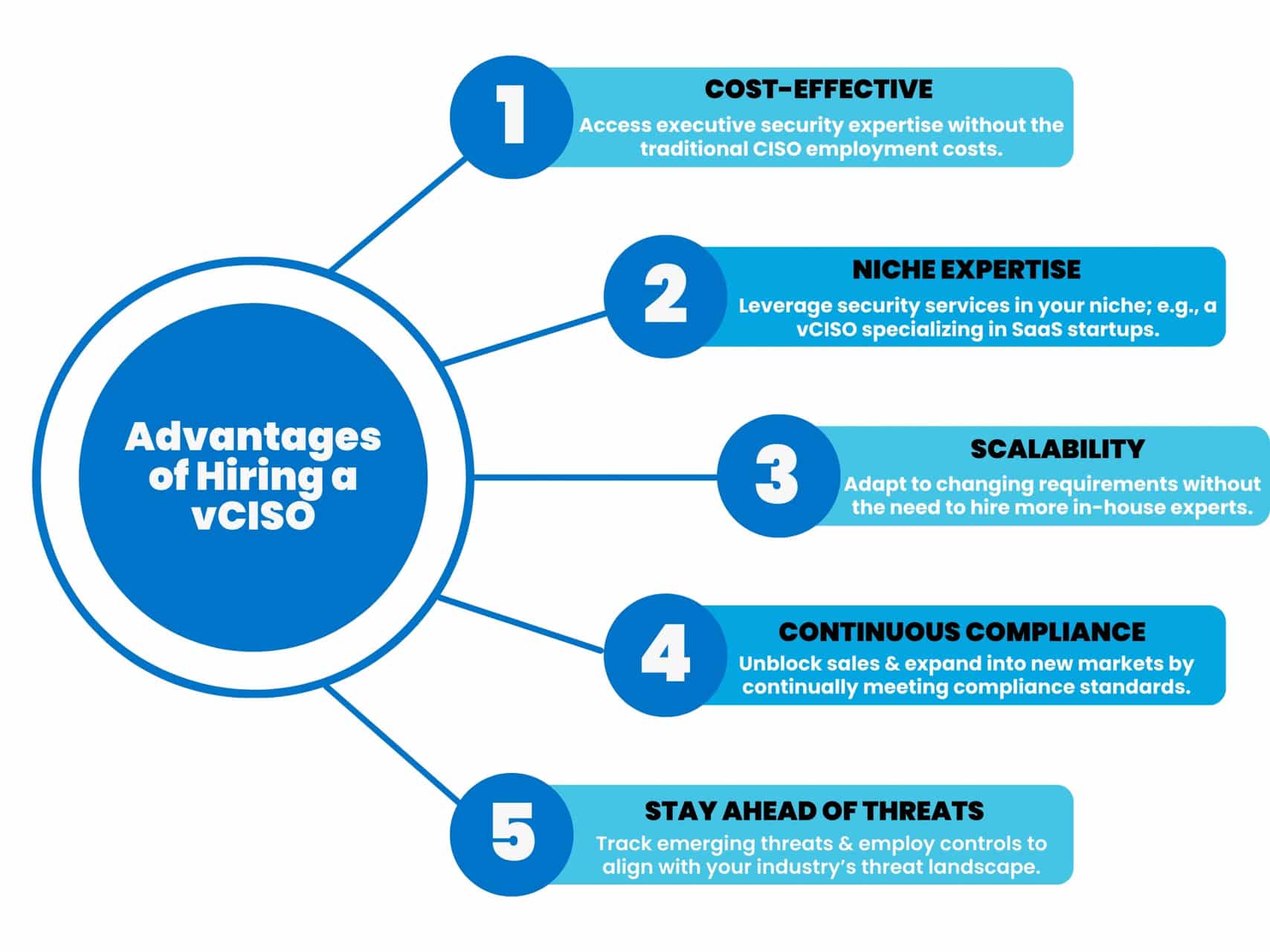
Opting for a vCISO service enables small and mid-size businesses to be certain they meet compliance standards while also leveraging their security dollars to reduce the risk of data breaches and ransomware attacks.
Let's expand on the main reasons why managed security services are an agile solution for smaller organizations:
Why Work With A Managed Security Services Provider? Specialized Experience At Scale.
The reason organizations choose to work with MSSPs is simple - specialized experience at scale. An average MSSP will often have experts on their team across many disciplines to include:
- Job Title (Salary range for an in-house full-time hire in 2025)
- CISO ($215,000 - $275,000 per year)
- Director of Security ($250,000 - $400,000 per year)
- Cloud Security Specialist ($110,000 - $150,000 per year)
- Application Security Specialist ($130,000 - $180,000 per year)
- Penetration Tester ($110,000 - $150,000 per year)
- Security Operations Analyst ($110,000 - $160,000 per year)
- Threat Intelligence Analyst ($80,000 - $140,000 per year)
- Governance, Risk and Compliance Specialist ($65,000 - $100,000 per year)
- Vulnerability Management Analyst ($100,000 - $165,000 per year)
Large enterprises spend millions of dollars on a security team with many highly specialized individuals across a range of disciplines. Small businesses need the same level of experience but not necessarily the same amount of work. Managed Security Services fill this gap perfectly.
Why Managed Security Services? It's Good Business.
Organizations are increasingly scrutinizing their vendors for security practices.
Suffering a major breach leaves a company scrambling to notify consumers, reassure investors, and manage employee fears. Proactively tackling cybersecurity, compliance, and data privacy by getting your SOC 2 Report (or other compliance audits), engaging in routine penetration testing, and utilizing vCISO services can serve as an amplifier across the rest of your business activities.
Having an MSSP as a continuous resource also simply provides peace of mind. When compliance frameworks are inevitably updated, when an auditor requests an evaluation of third-party risk, when you need things like phishing testing services to fulfill controls, or when you receive a security questionnaire from a customer - you'll know where to go for immediate and expert assistance.
Proactively providing SOC 2 Type 2 Reports to potential customers immediately makes your business stand out while also preventing the need for time-consuming security questionnaires. A vCISO service can help your organization identify and prepare for upcoming compliance regulations, saving costs and time in the long run.
Finally, working with an MSSP lets you leverage talent from across a variety of disciplines without the need to build large in-house teams.
Exploring Managed Security Services?
Rhymetec was founded in 2015 as a Penetration Testing company. Since then, we have served thousands of businesses globally in all their cybersecurity, compliance, and data privacy needs. We're industry leaders in cloud security, and our custom services align with the specific needs of your business. We help organizations achieve certifications like SOC 2, ISO 27001, HIPAA, and CMMC while preparing them for the evolving regulatory landscape in both the U.S. and Europe.
To learn more about our offerings and how a Managed Security Services Provider can be an accelerator for your business, contact our team for more information.
FAQs
Why choose managed security services instead of in-house security in 2025?
The demands of compliance and cybersecurity have outpaced what most in-house teams can manage. Managed security services provide access to expert resources, 24/7 monitoring, and full compliance management at a lower cost than building your own team. In 2025, when vendor due diligence and regulatory expectations are stricter than ever, MSSPs give businesses a faster and more reliable way to stay secure and audit-ready.
What is the cost difference between managed security services and hiring in-house?
Hiring a complete in-house security team can cost millions annually, with salaries for CISOs, penetration testers, and compliance specialists ranging from $80K to $275K each. Managed security services let you access the same breadth of expertise on a fractional basis. This approach delivers enterprise-grade protection and compliance readiness without the overhead of staffing a full team.
How do managed security services help with compliance like SOC 2 or CMMC 2.0?
MSSPs guide companies through the full compliance journey. We design policies, implement controls, maintain readiness, and support you through audits. Our team helps organizations meet frameworks such as SOC 2, ISO 27001, HIPAA, GDPR, FedRAMP, and CMMC 2.0. By outsourcing compliance management, businesses expand into new markets and shorten audit timelines, often achieving compliance in one-third of the expected time.
Can managed security services prepare businesses for AI regulations and new laws?
Yes. In 2025, MSSPs are helping organizations align with emerging frameworks like ISO 42001 (AI Management Systems - see our ISO 42001 Checklist for more info), EU AI Act compliance, and stricter privacy and disclosure requirements. By keeping you ahead of regulatory shifts, MSSPs make sure your business avoids gaps, reduces legal exposure, and can adopt AI securely while meeting compliance expectations.
How do managed security services reduce risk for growing businesses?
MSSPs combine continuous monitoring, penetration testing, vCISO leadership, and risk management to reduce the likelihood of breaches or compliance failures. This proactive approach protects your data and strengthens customer trust. For growing businesses, demonstrating strong security and continuous compliance can also shorten sales cycles by removing barriers during vendor assessments.
About the Author: Justin Rende, CEO
Justin Rende has been providing comprehensive and customizable technology solutions around the globe since 2001. In 2015 he founded Rhymetec with the mission to reduce the complexities of cloud security and make cutting-edge cybersecurity services available to SaaS-based startups. Under Justin's leadership, Rhymetec has redesigned infosec and data privacy compliance programs for the modern SaaS-based company and established itself as a leader in cloud security services.
Cloud storage has become an increasingly practical way to store information, ranging from basic documents and emails to sensitive data such as financial information and customer records. In addition to the cost savings potentially gained by reducing the need for hardware and infrastructure investment, cloud scalability allows you to adjust storage capacity based on your changing business needs. Most cloud providers offer robust backup and recovery capabilities as well as advanced security measures. Employees can access data from anywhere and enjoy easier file sharing and collaboration. Despite the benefits, however, cloud computing carries a degree of cloud storage security risk, and your organization must follow best practices to combat this.
Risks Of Cloud Storage For Companies
Every day, we hear about new data breaches, and statistics show 1,802 U.S. companies had their data compromised in 2022. The industries targeted most often included healthcare, financial services and manufacturing, and the breaches impacted 422 million individuals.
A few of the most common ways an organization's cloud storage gets accessed include:
- Hacking or unauthorized access to the organization's cloud storage, potentially resulting in data breaches and financial losses.
- Data loss through intentional theft of company data, including financial and customer information, possibly resulting in lost business and damage to your reputation.
- File sharing, leading to the unintentional distribution of sensitive company information with unauthorized parties. This can result in data breaches and potential legal liability.
- Local access that allows unauthorized users to gain physical entry to your company's cloud storage. This can potentially cause data breaches and the loss of sensitive information.
- Accidental synchronization between employees' personal and work devices, resulting in the unintentional sharing of company data and legal liability.
- Compatibility issues that end in data loss or corruption, impacting the efficiency of your business operations.
Moreover, organizations relying on a single cloud service provider run the risk of vendor lock-in in their vendor management, making it difficult to switch to a new provider if problems arise. A lack of control over the cloud infrastructure can also be a threat, as your business might not have complete visibility into the cloud storage provider's security and operational processes. If the cloud storage provider gets hacked, your confidential data could be exposed. This risk is compounded by users having limited control over their data because it's stored on the cloud provider's servers.
Other challenges associated with cloud storage include stolen credentials. For example, if a user's password is weak or easily guessed, their account can be hacked and their login information stolen. Malicious software can be installed on individual computers to gain access to and compromise the organization's cloud storage data. Employees can find themselves unable to access their data due to technical issues or cloud provider downtime. Users also often receive phishing text messages, emails or calls targeting their cloud storage login information. Not all cloud storage providers are compatible with all devices, and specific devices may not work well with certain providers.
Best Cloud Storage Security Practices For Organizations
Organizations should follow best practices when it comes to storing and sharing documents within a company cloud account. These include:
- Defining authorized domains and investing in data loss prevention software to protect sensitive information.
- Establishing company policies for separating work and personal documents to ensure employees understand the boundaries.
- Avoiding storing documents locally and preventing employees from synchronizing personal file storage systems with their work computers. This stops the accidental sharing of personal or sensitive information.
Your executive team must have a clear understanding of the data collected and stored in the company systems and an inventory of all applications and vendors employees can access. In turn, employees must be instructed and trained to set strong passwords, enable two-factor authentication and avoid signing into accounts on shared or public devices.
Other ways to secure data include encrypting all devices with access to your company data, including mobile phones and tablets. Avoid giving your employees mobile access to cloud data and disable every employee’s mobile control center from the lock screen. This step can prevent a thief from changing a mobile user’s Wi-Fi or Bluetooth settings, resulting in access to their data. The reason behind this is if a mobile device is stolen, the thief’s first action is likely to be turning on flight mode from the lock screen. Once they do that, tracking the phone is no longer possible.
Ensure your users set strong mobile passwords and encrypt all devices with access to corporate data. Train staff to understand the risks associated with phishing attempts sent via text messages and emails. For smartphone security, we recommend ensuring employees delete old devices and enable self-destruct. These measures help protect sensitive company information from unauthorized access.
Maximizing The Benefits Of Cloud Storage & Security
Cloud storage has become a popular method for preserving and sharing data for both personal and business purposes. However, using it presents several security risks that can lead to tremendous losses of data and money. Companies must train employees to develop healthy cloud habits and follow best cloud storage security practices on all devices. By taking the appropriate steps to safeguard company data, your executive team can maximize the benefits of cloud storage while minimizing the risks.
Click here to view the original post on Forbes by Rhymetec CEO, Justin Rende.
Like what you're reading? View more of our blogs here.